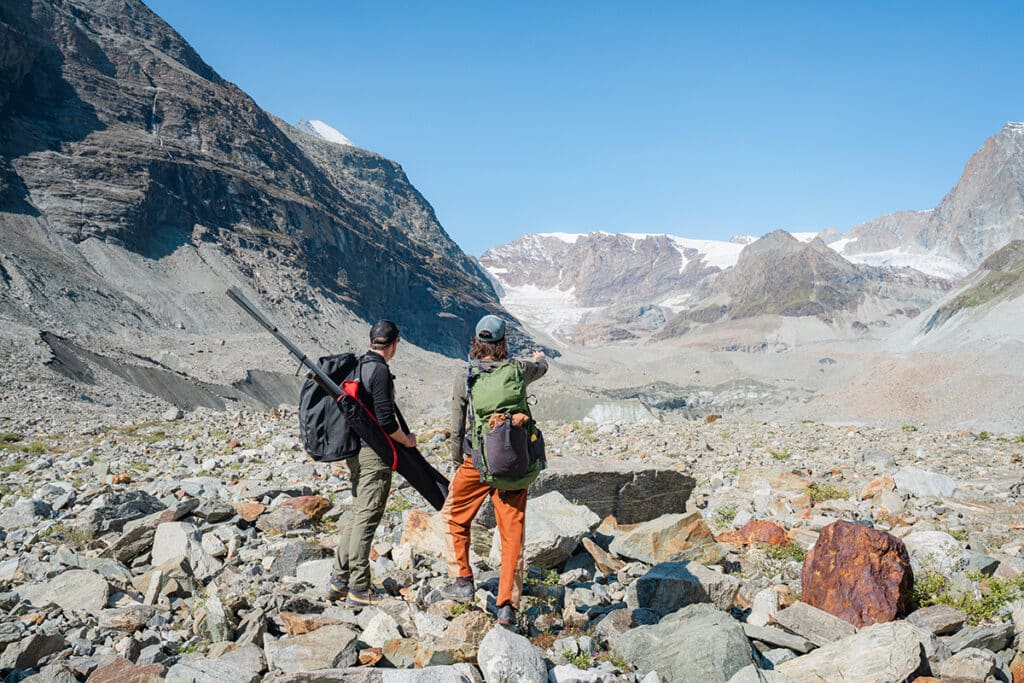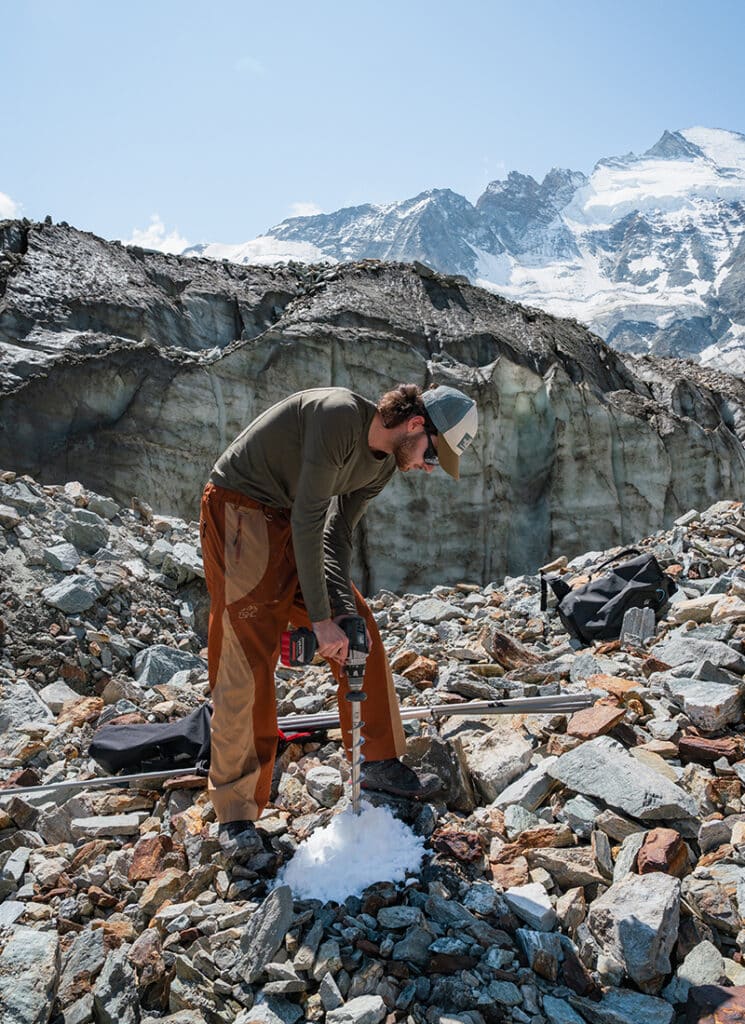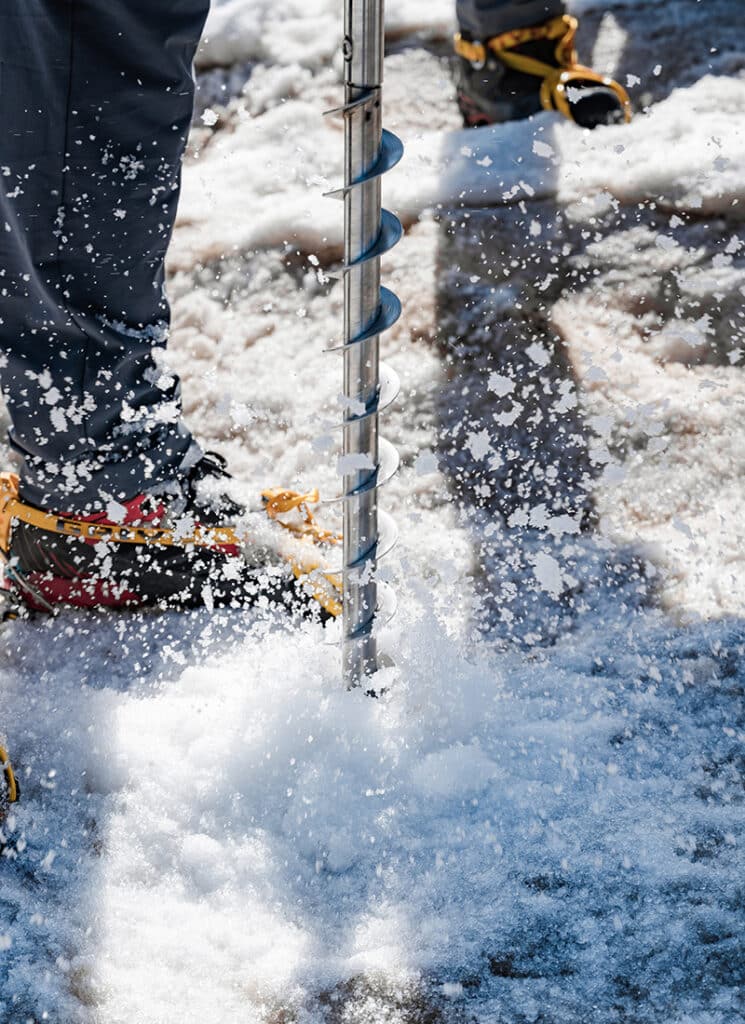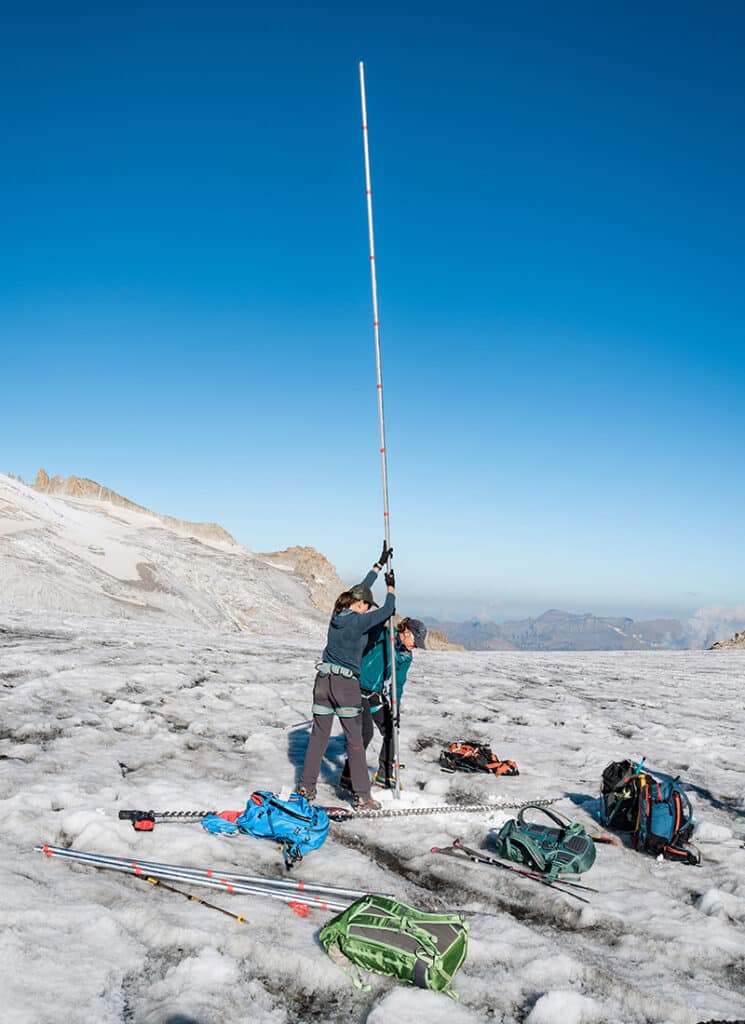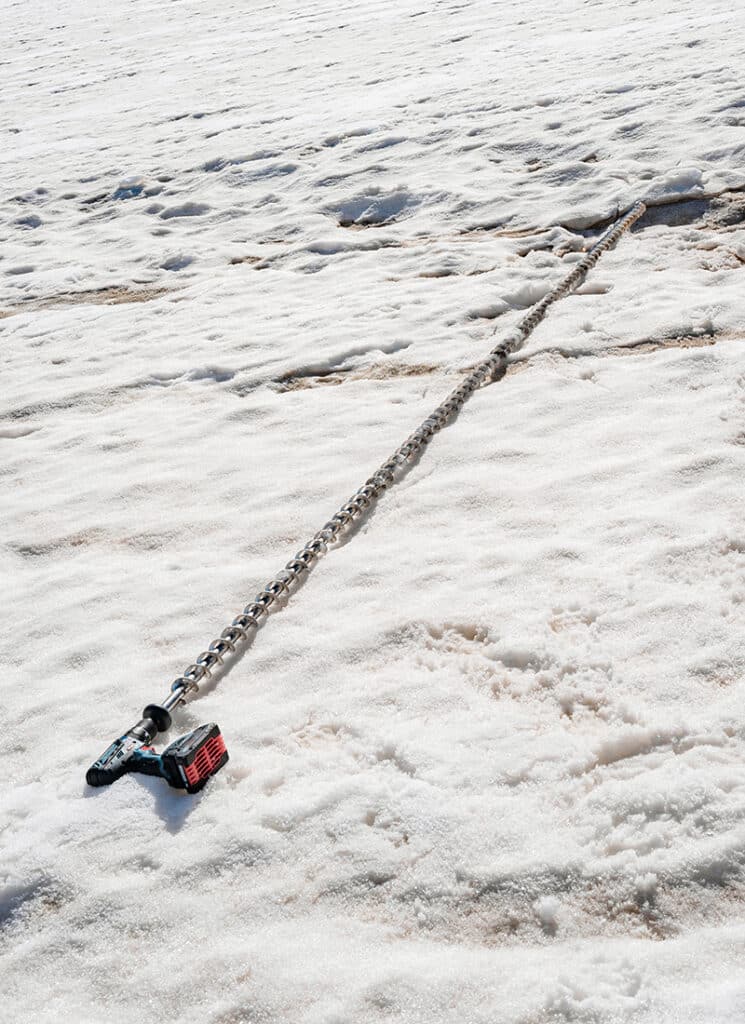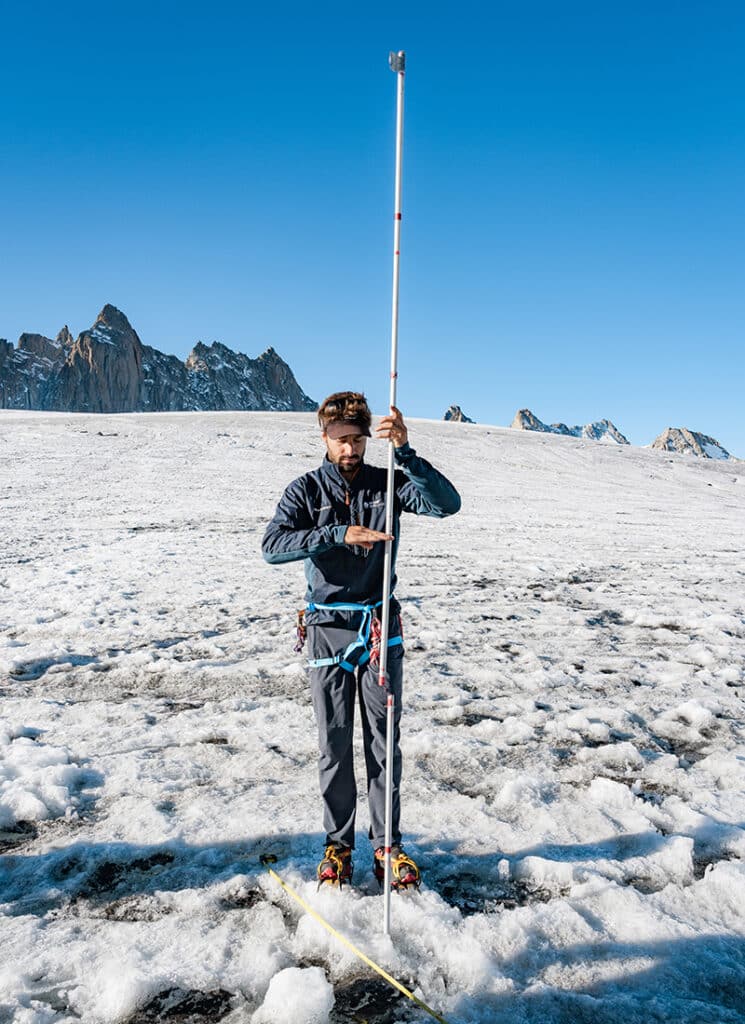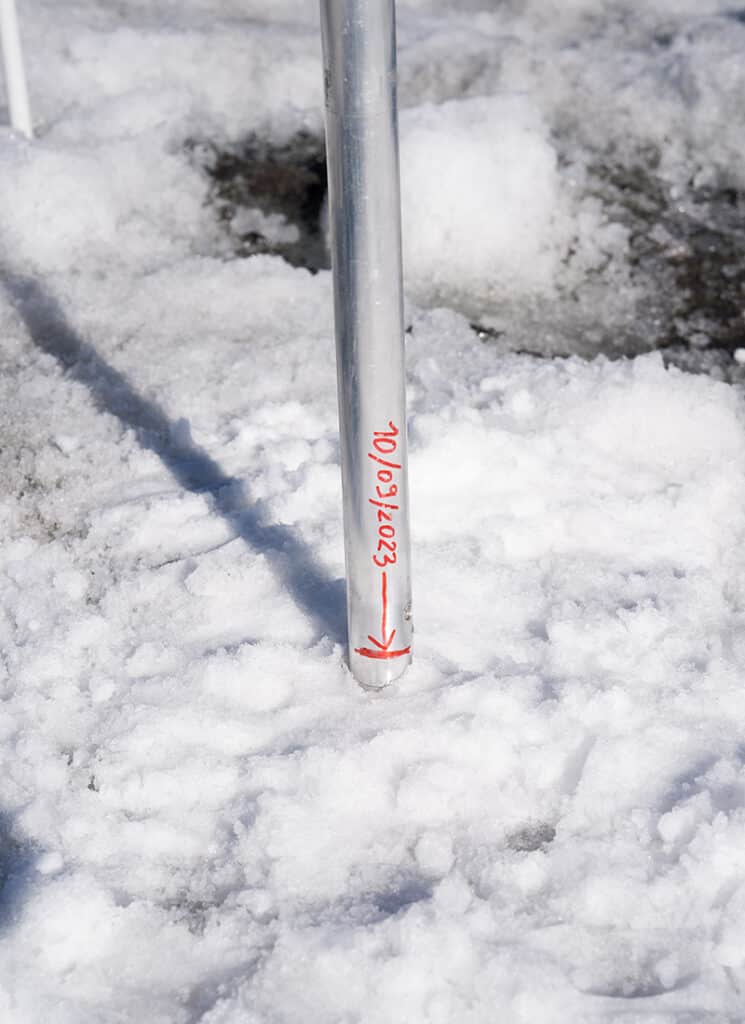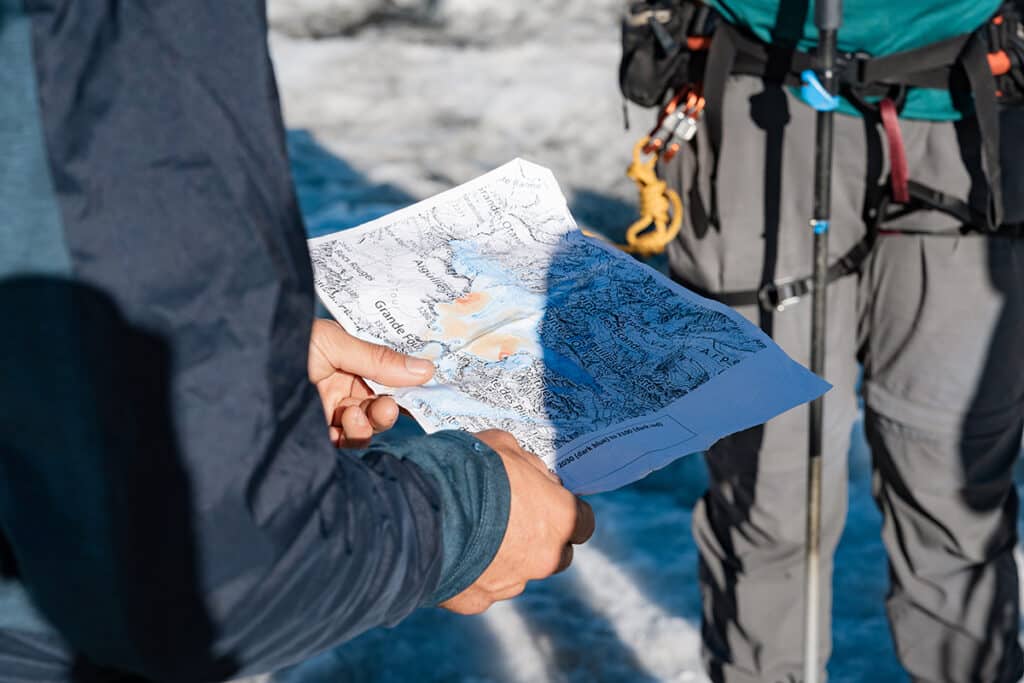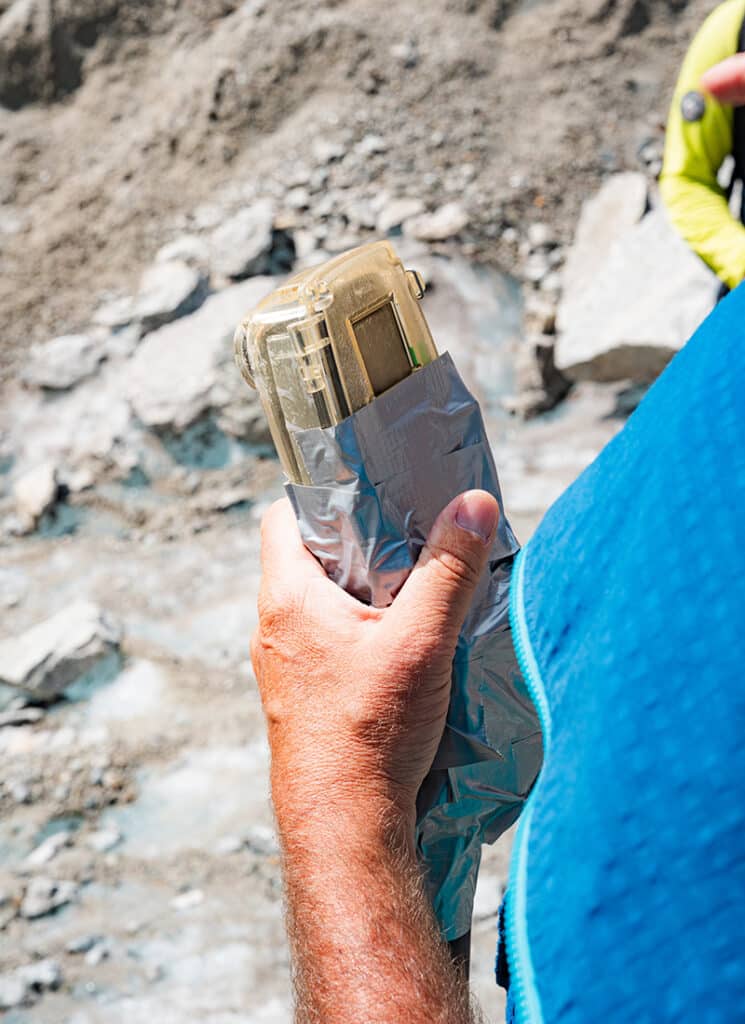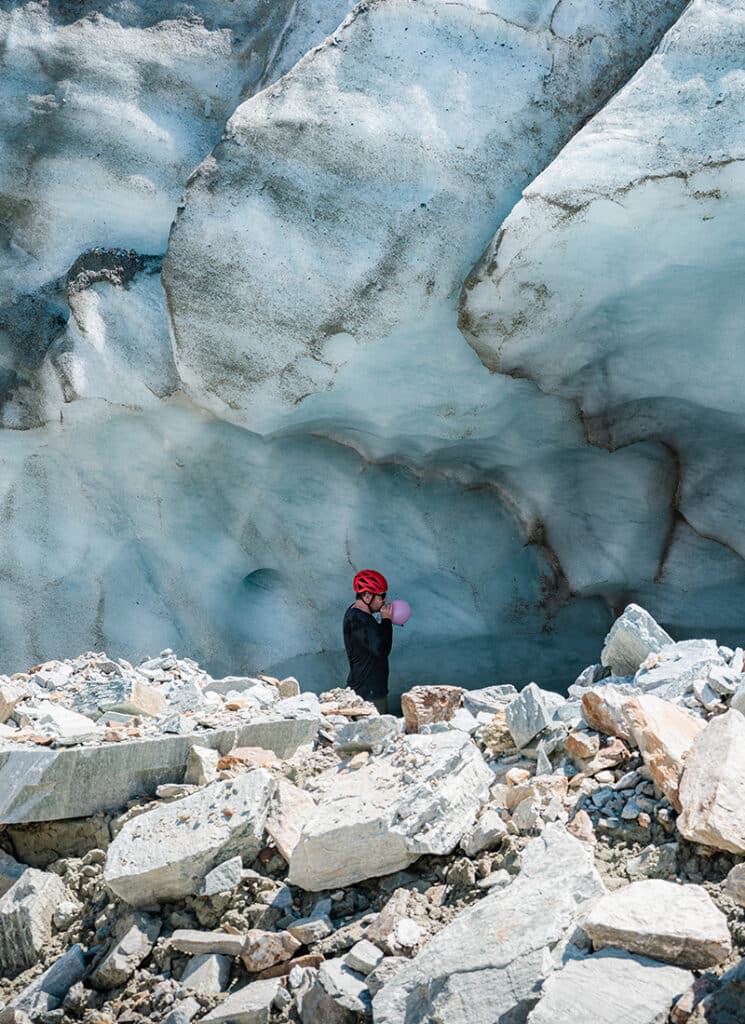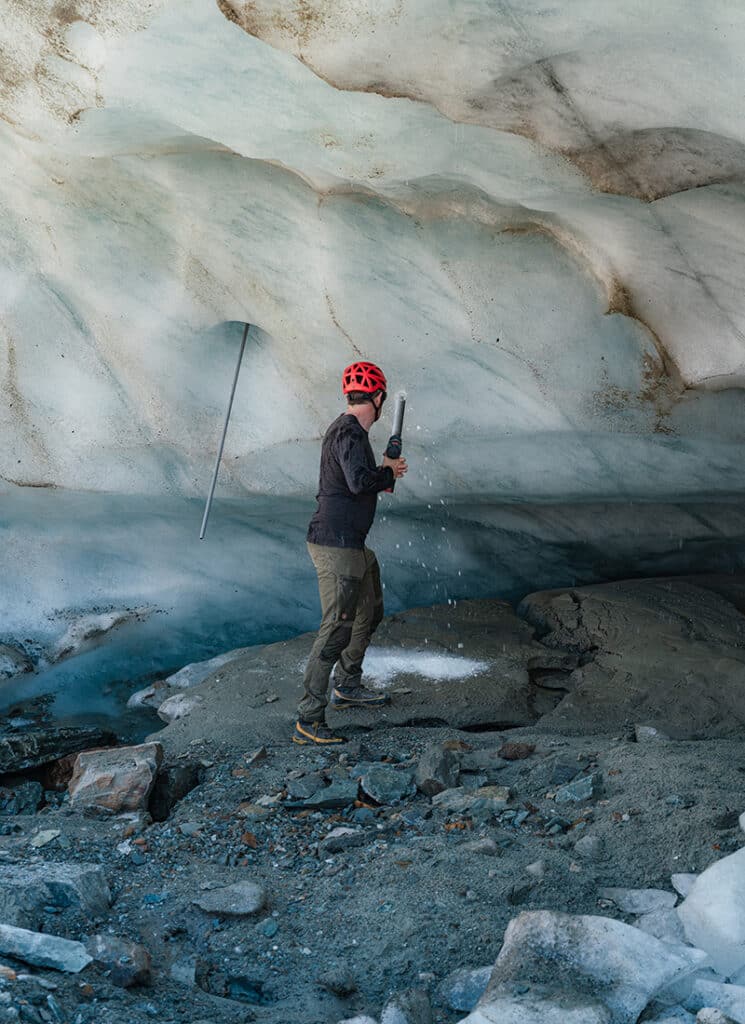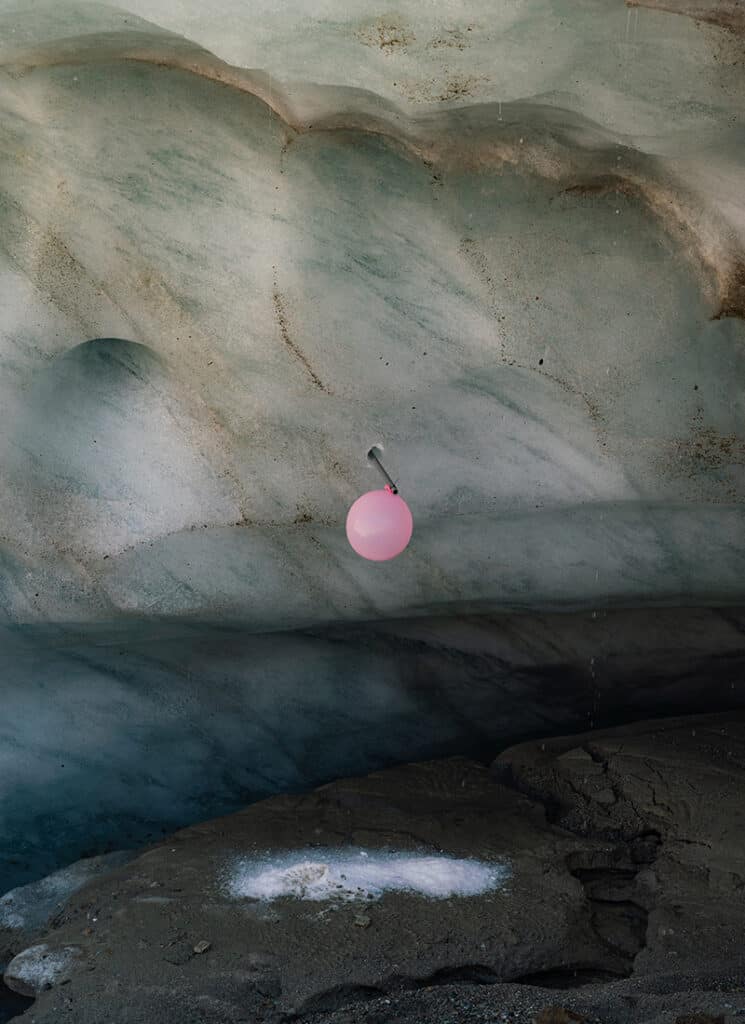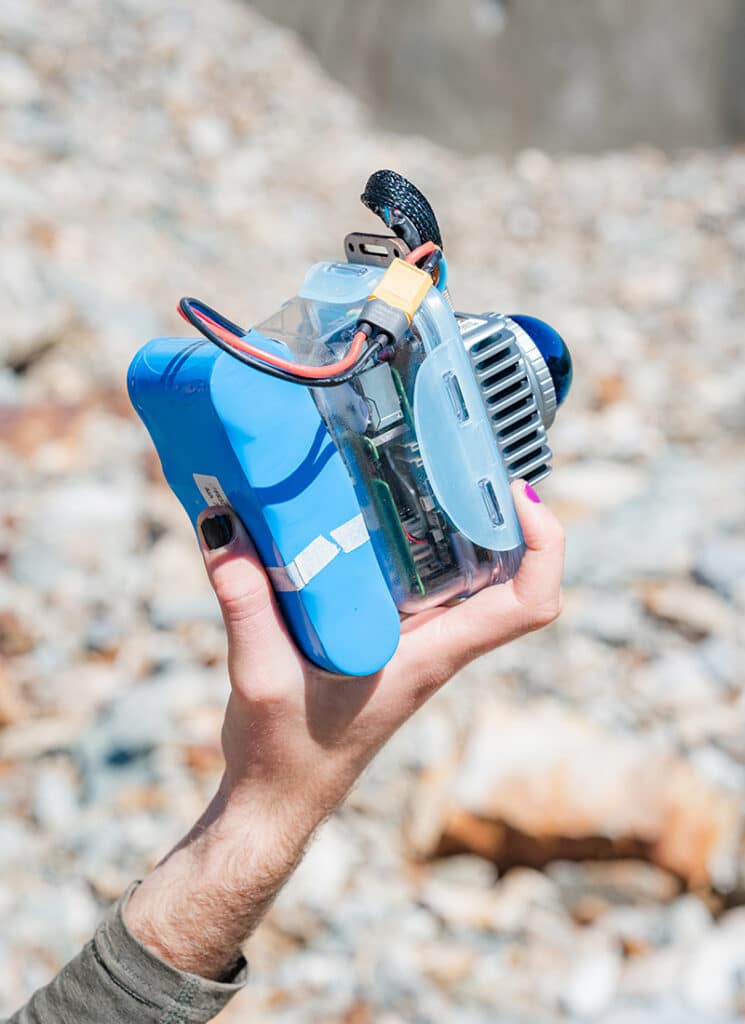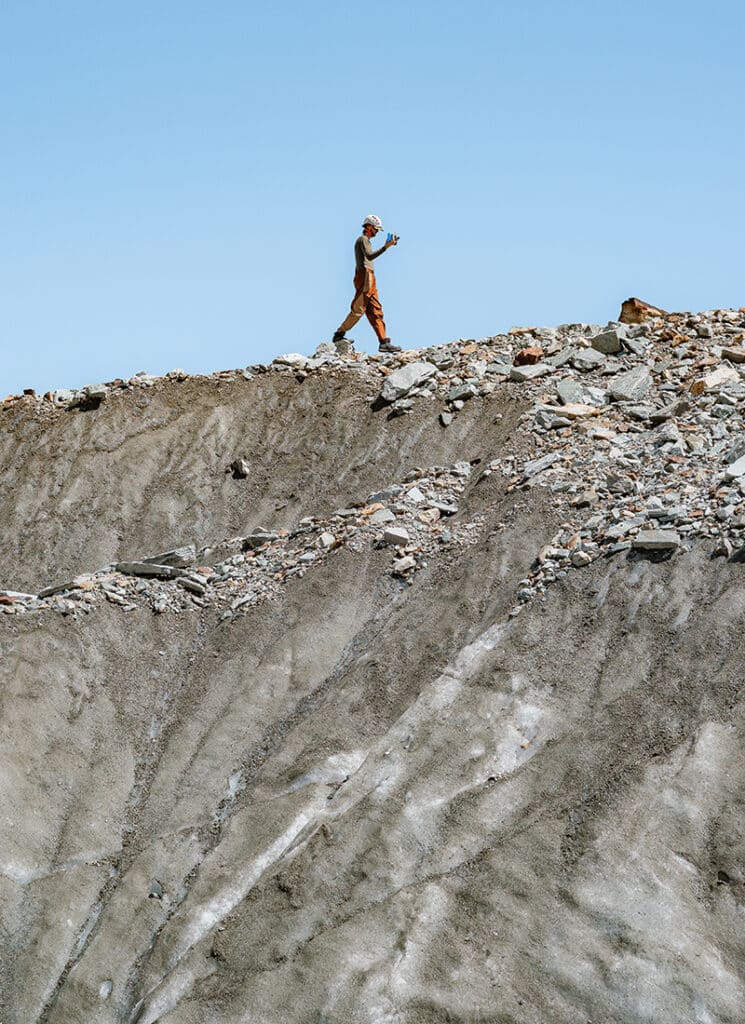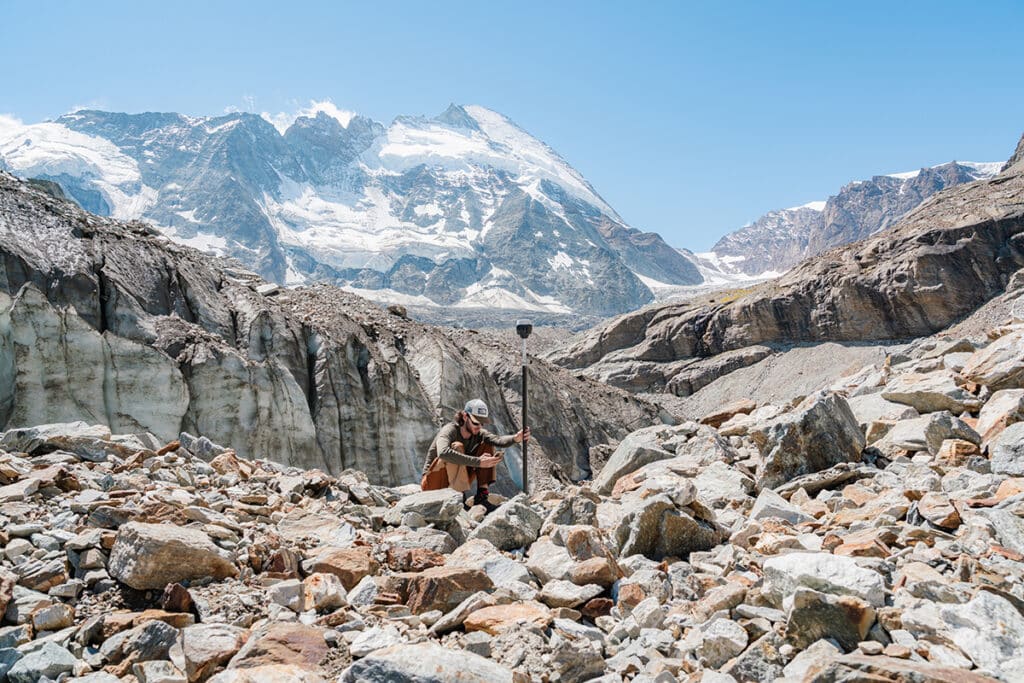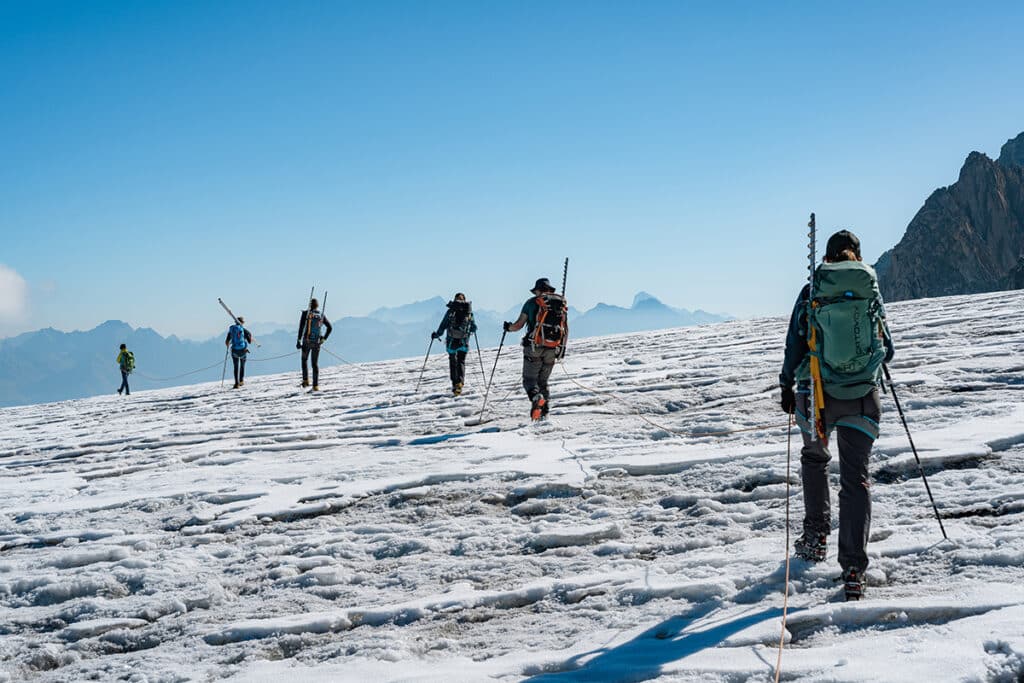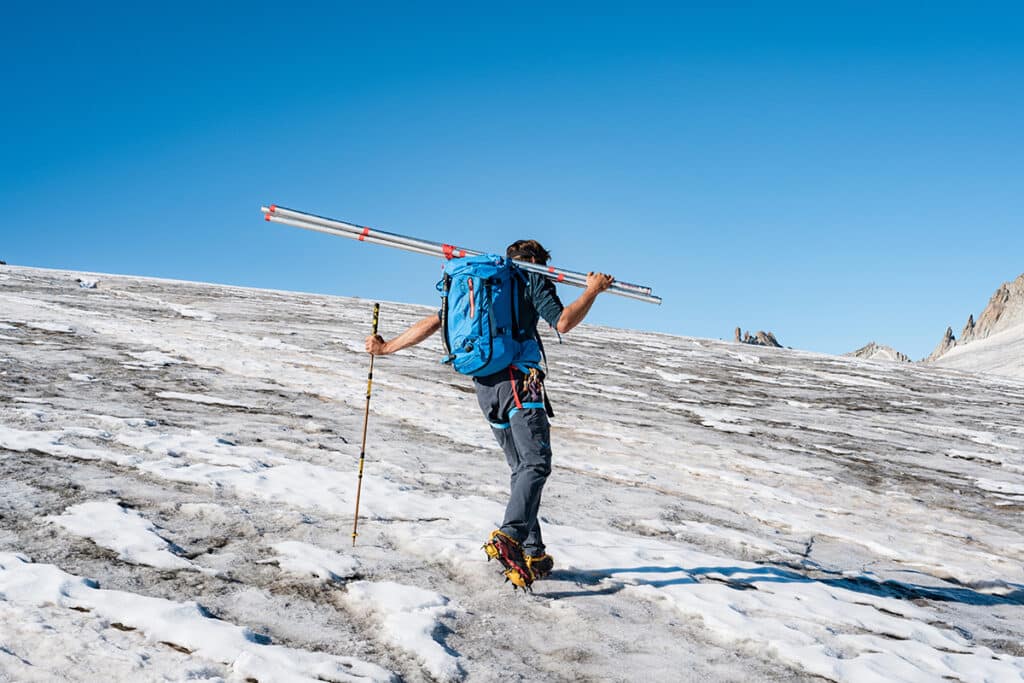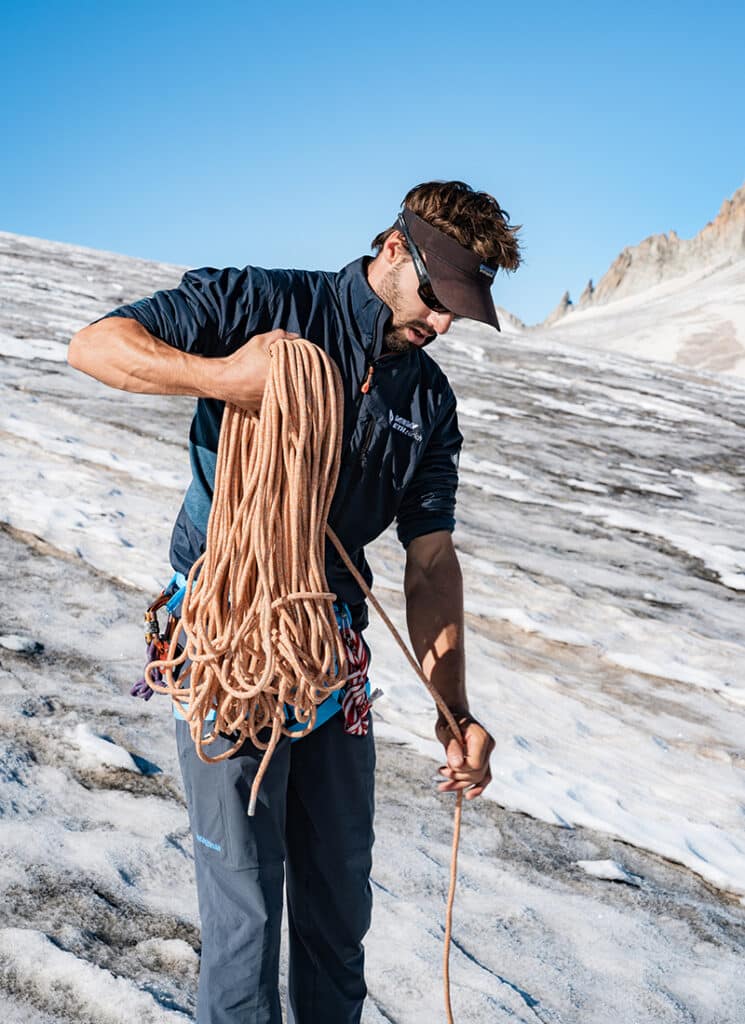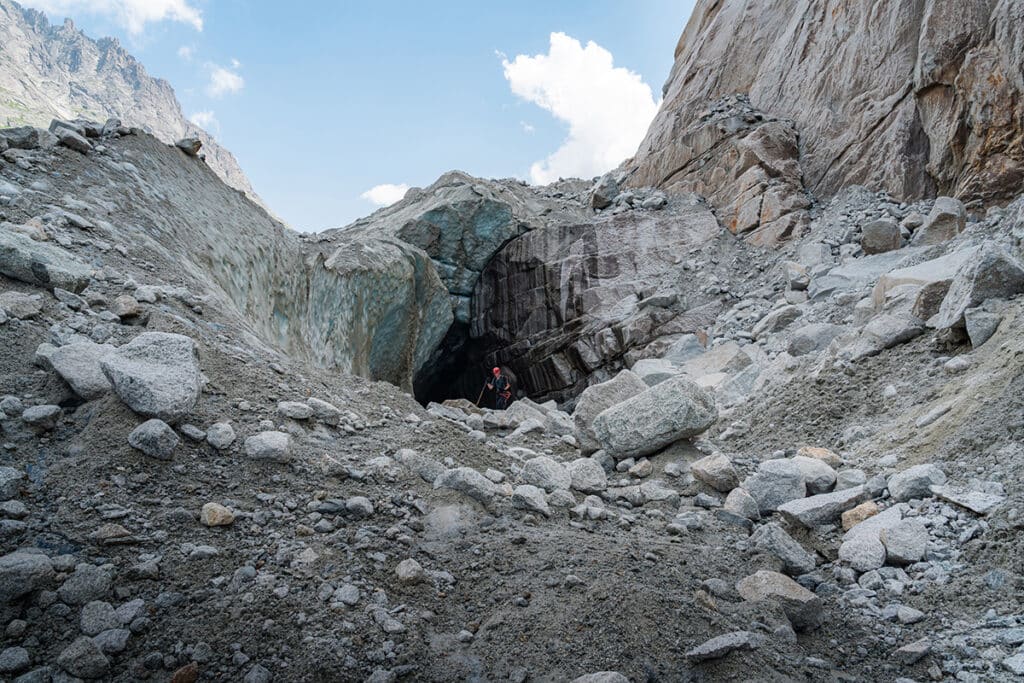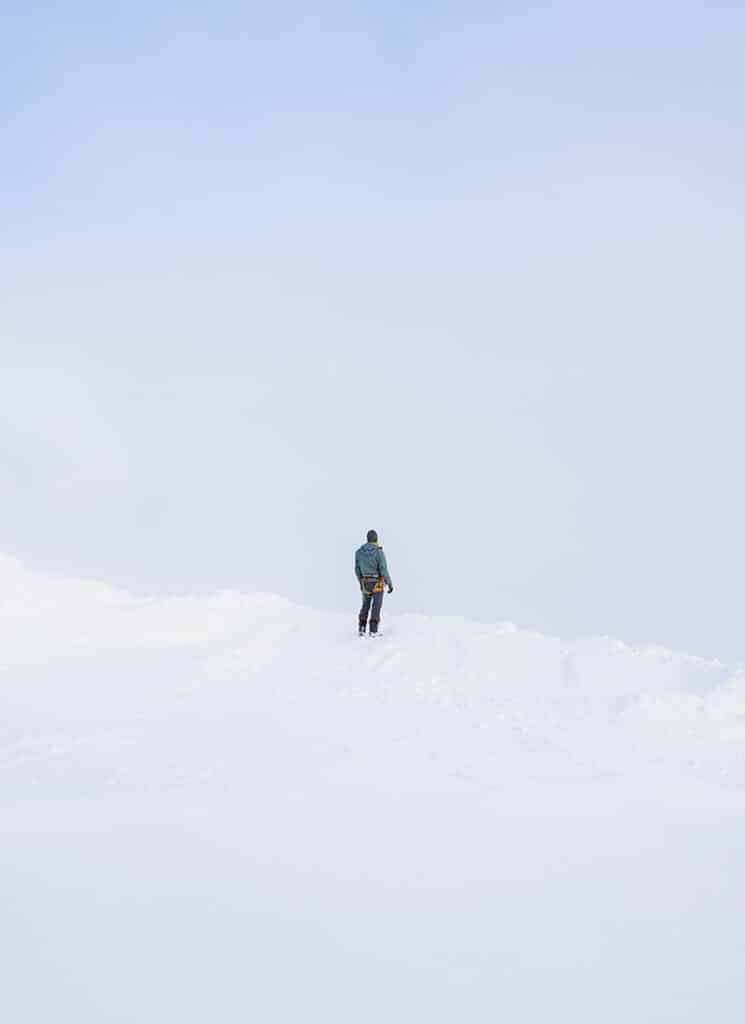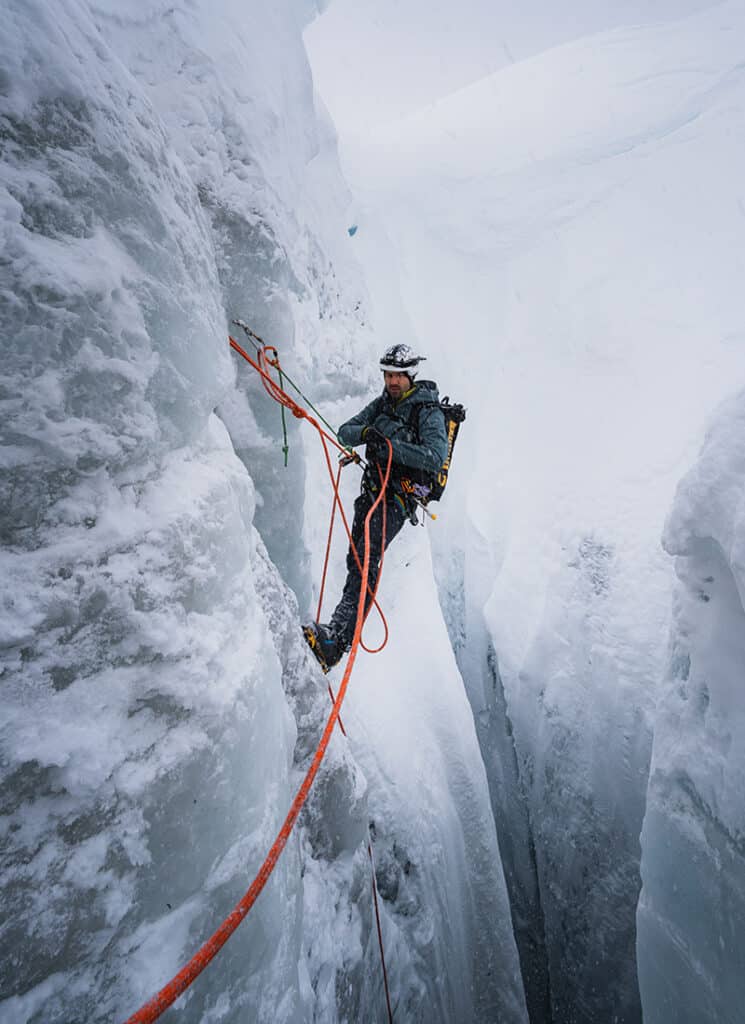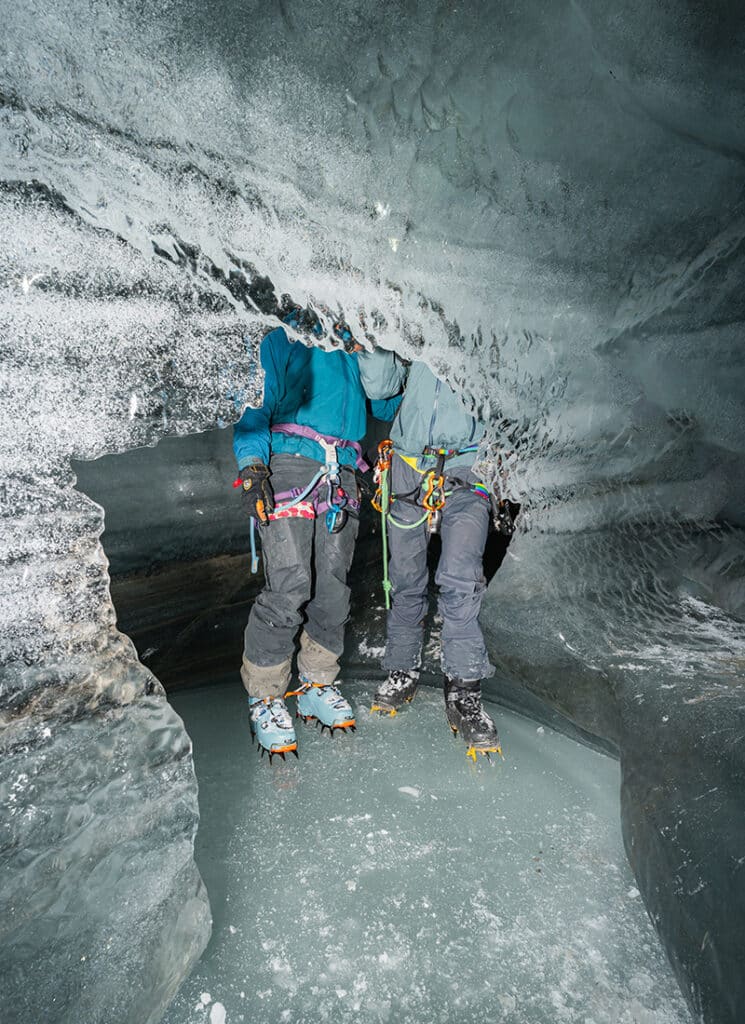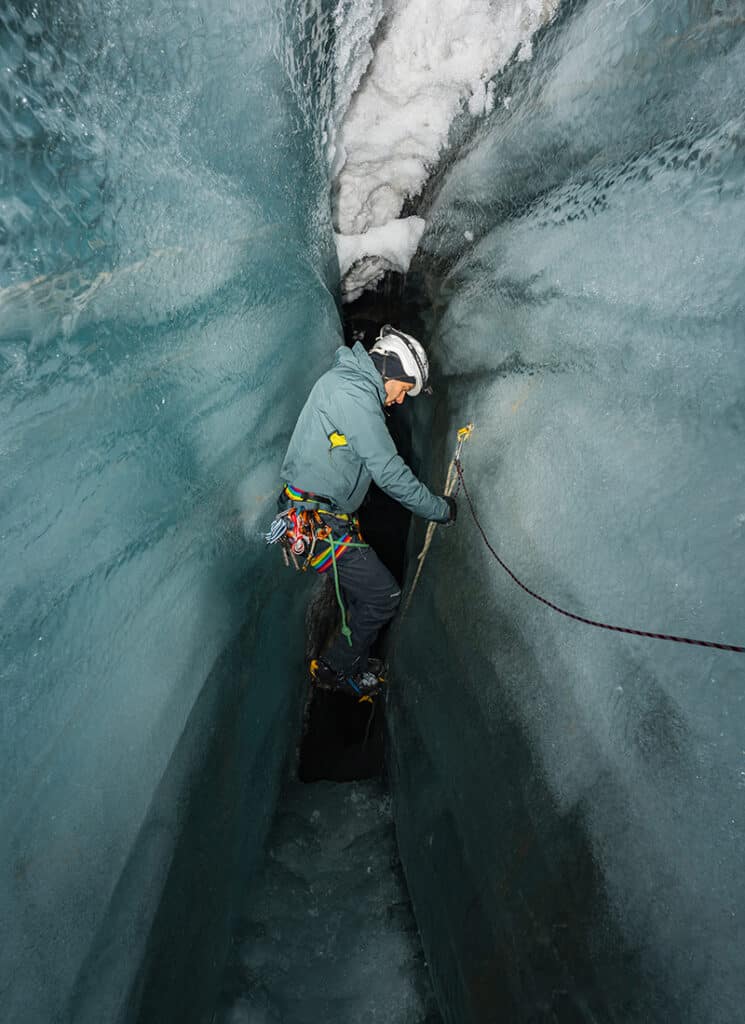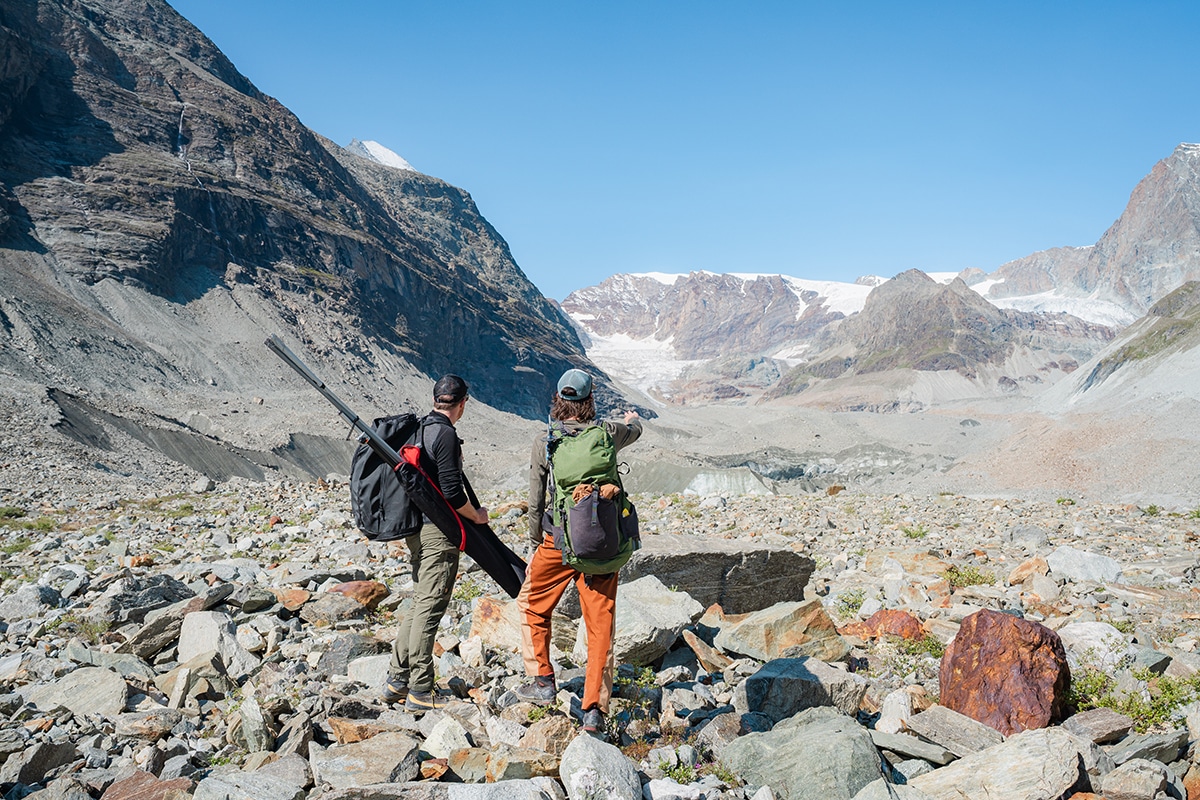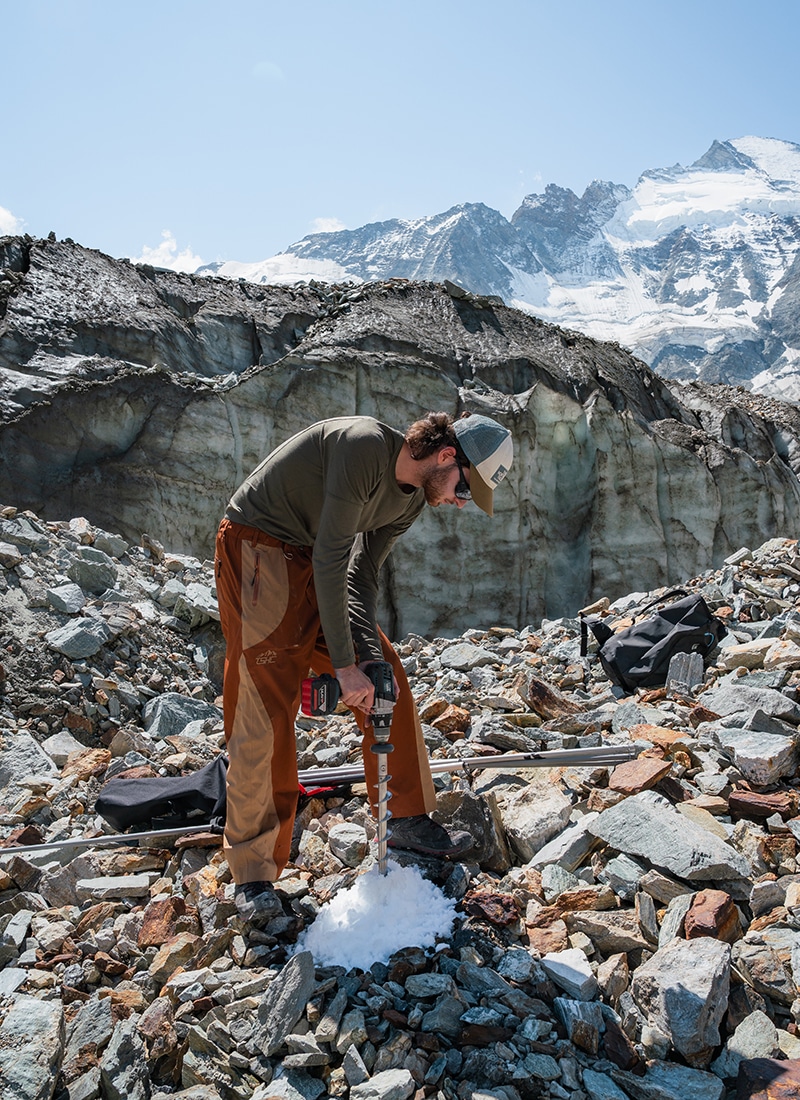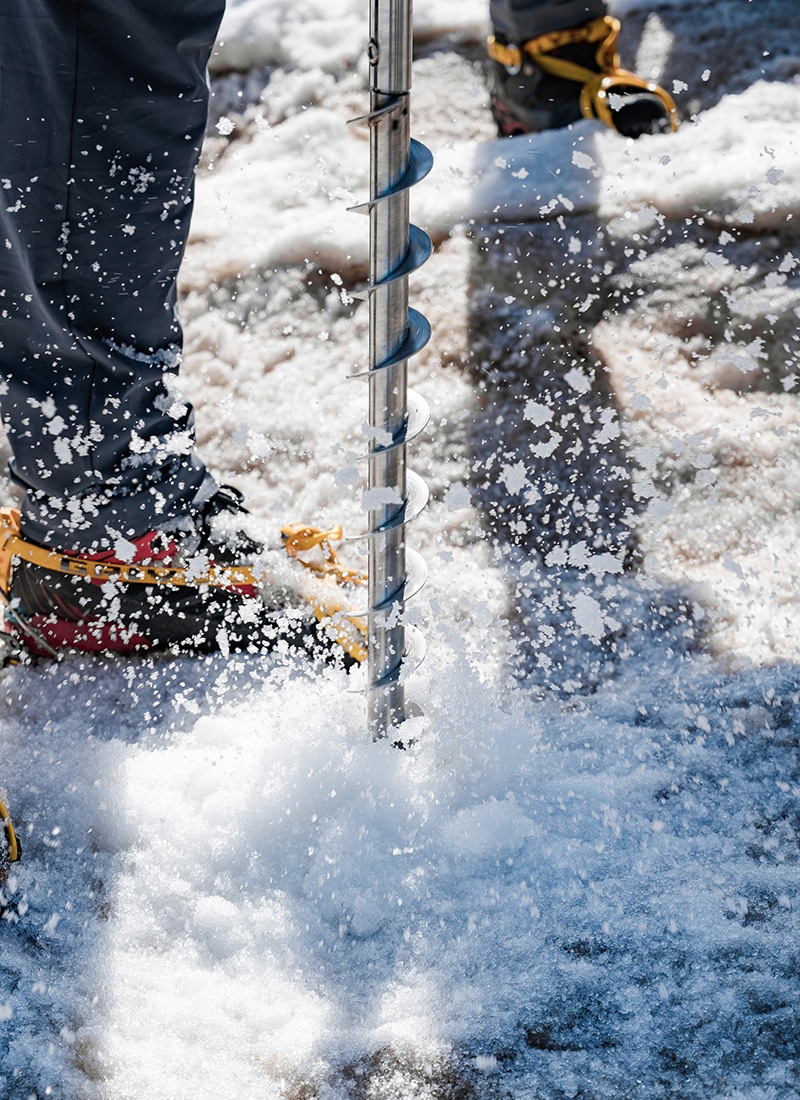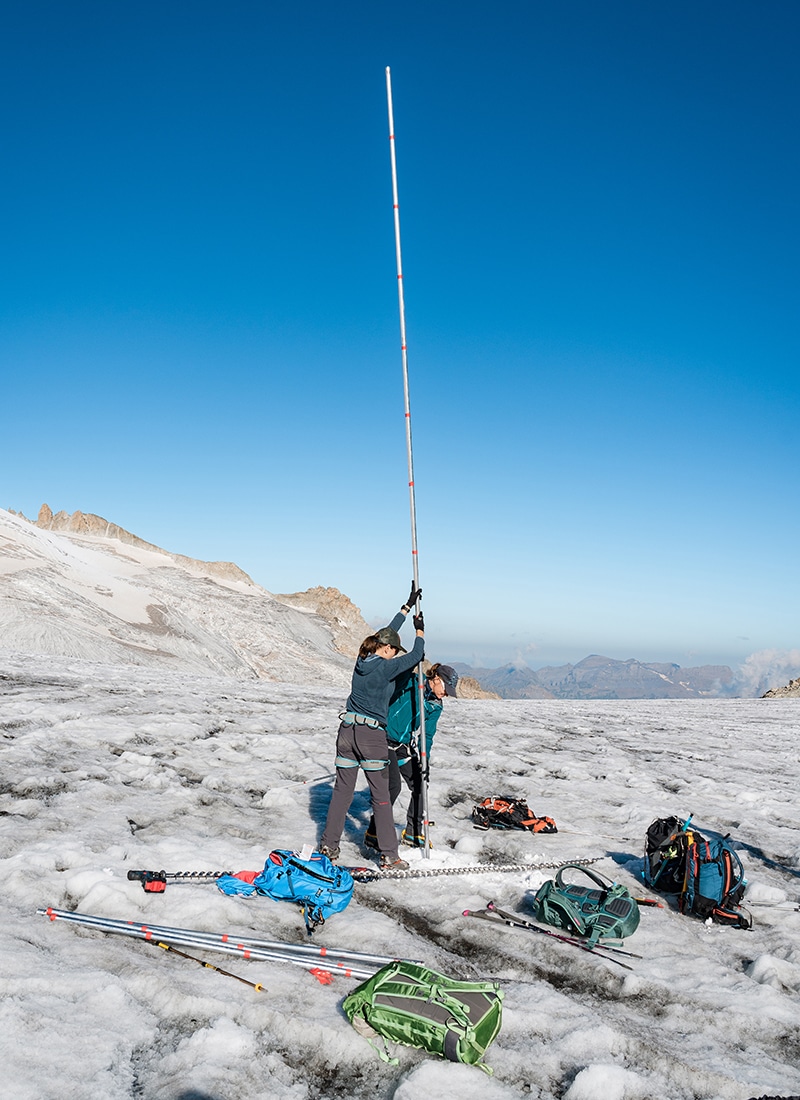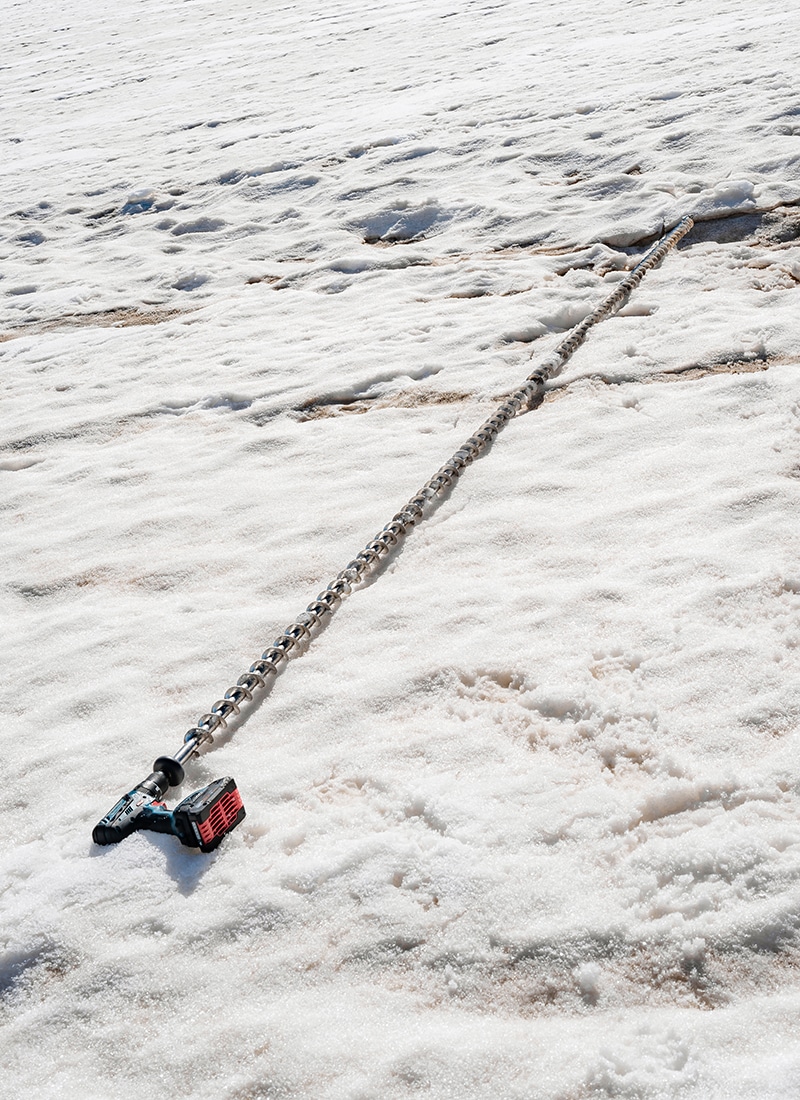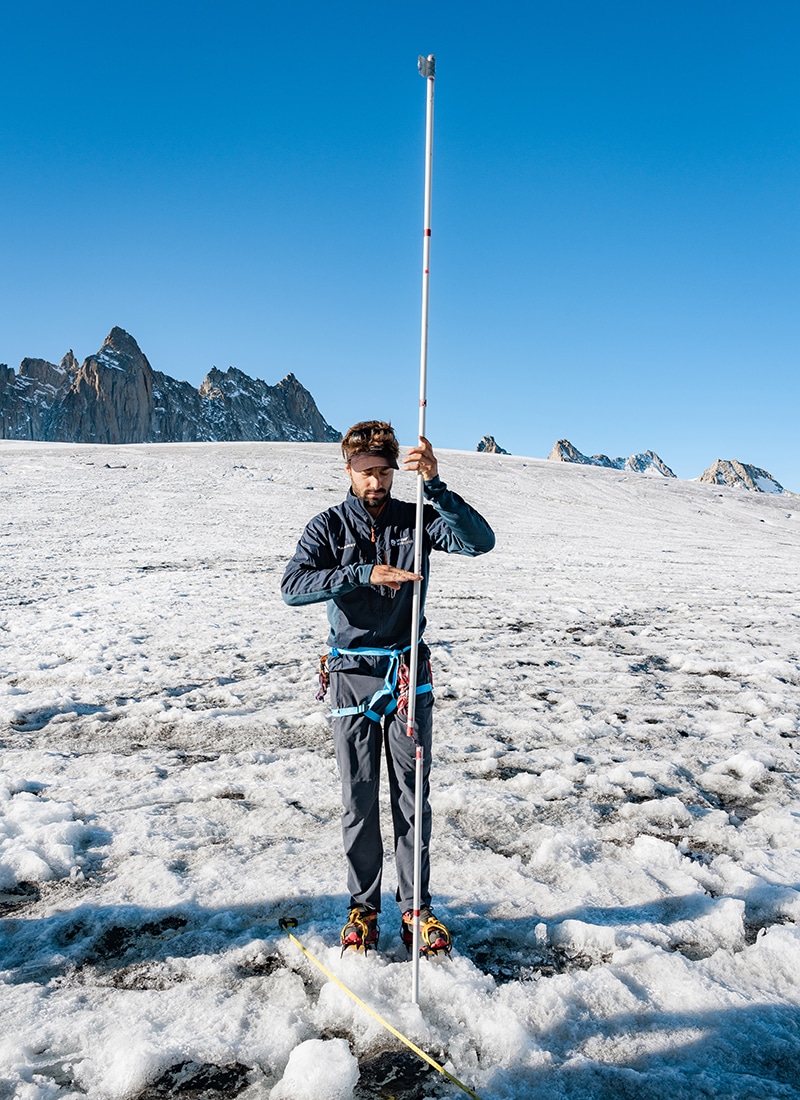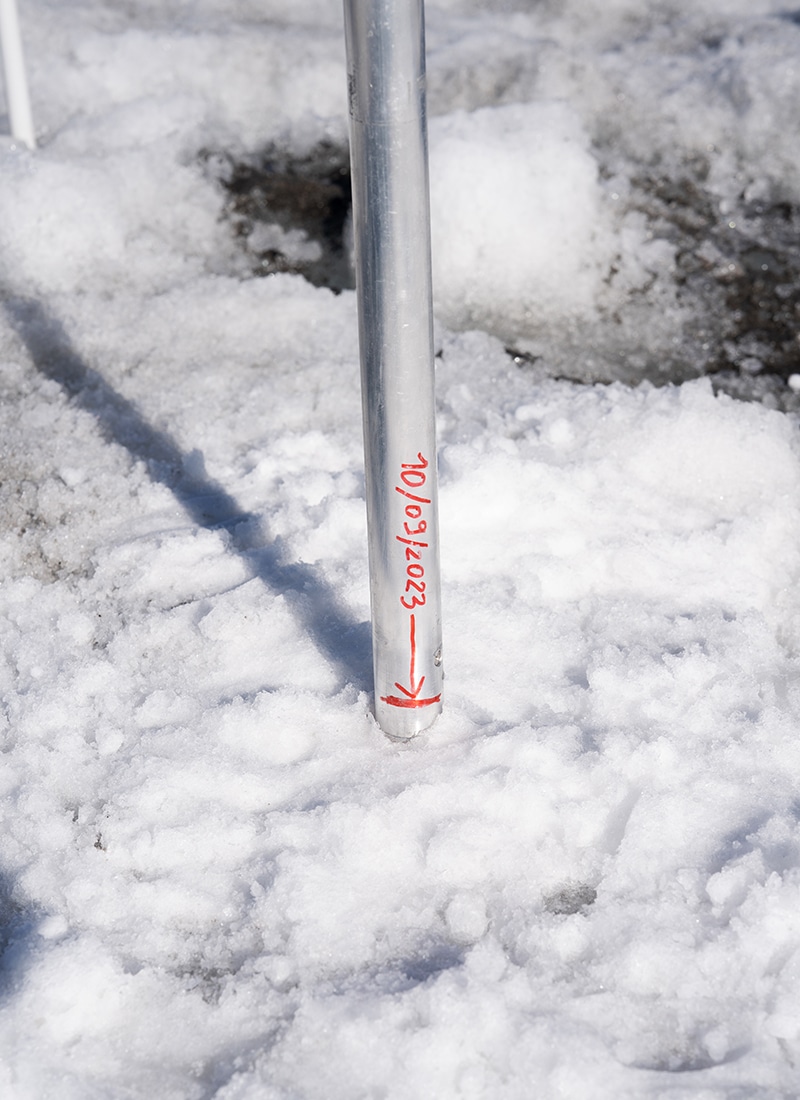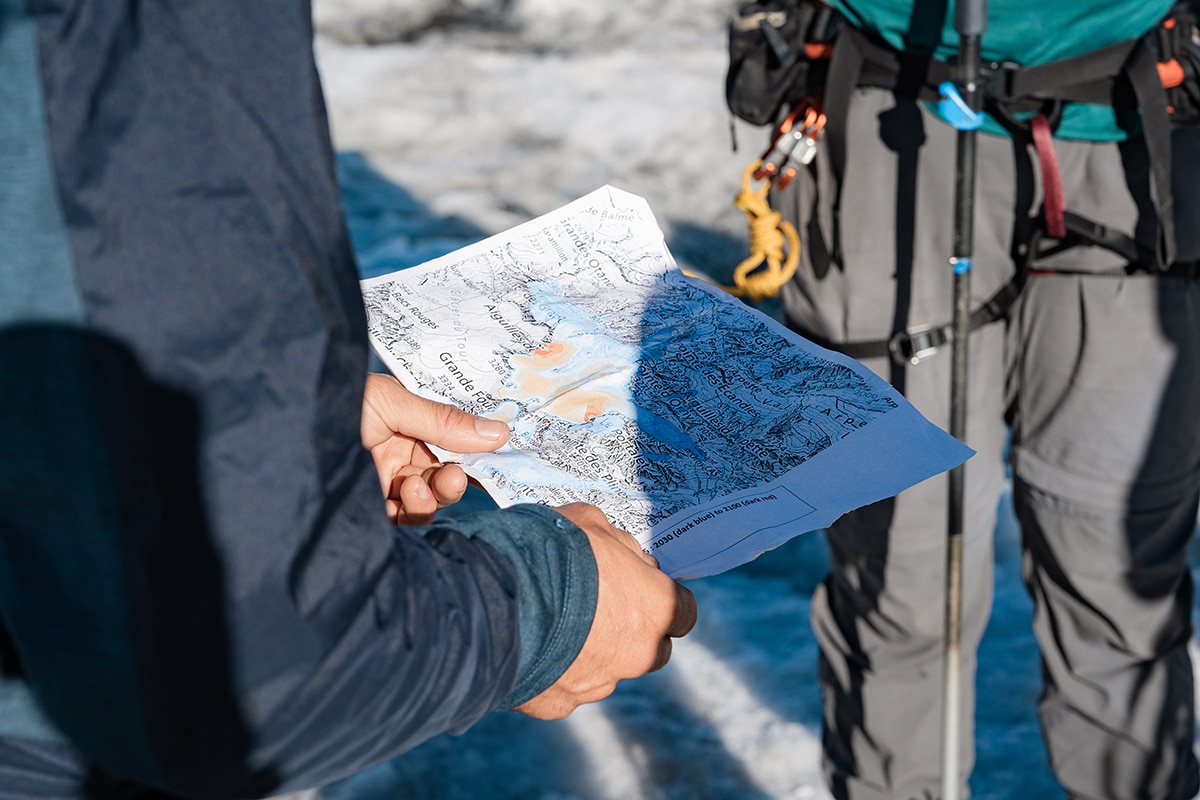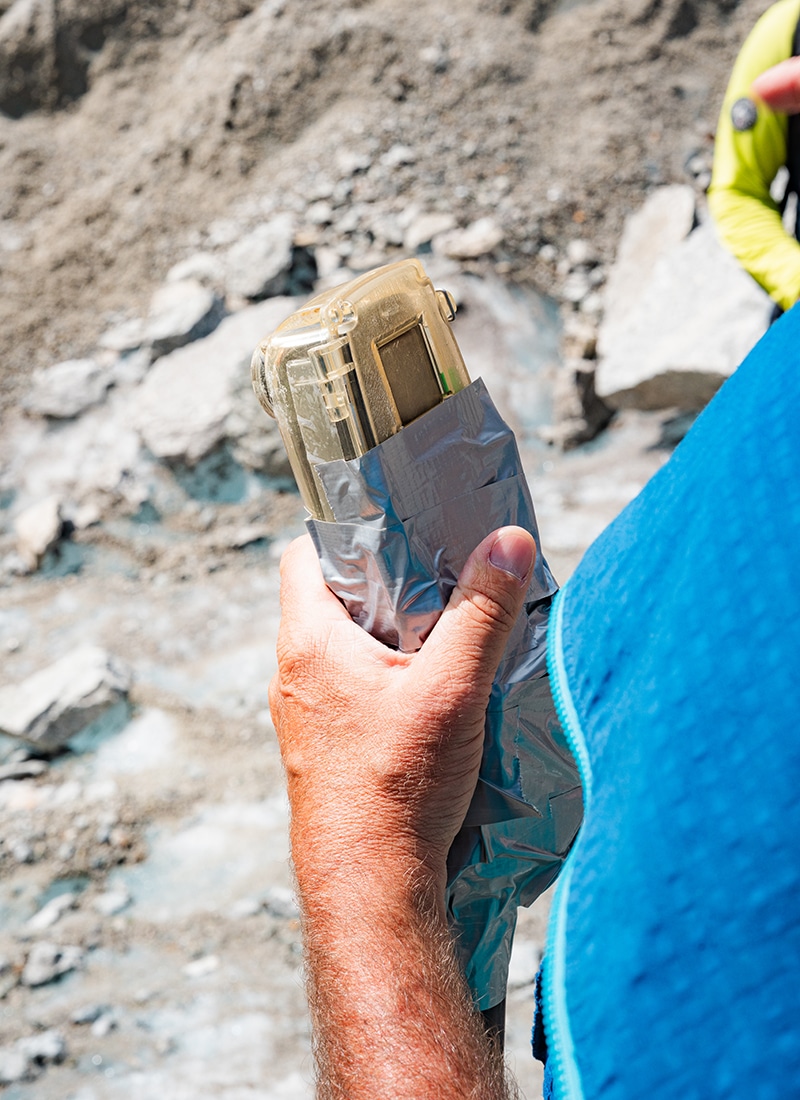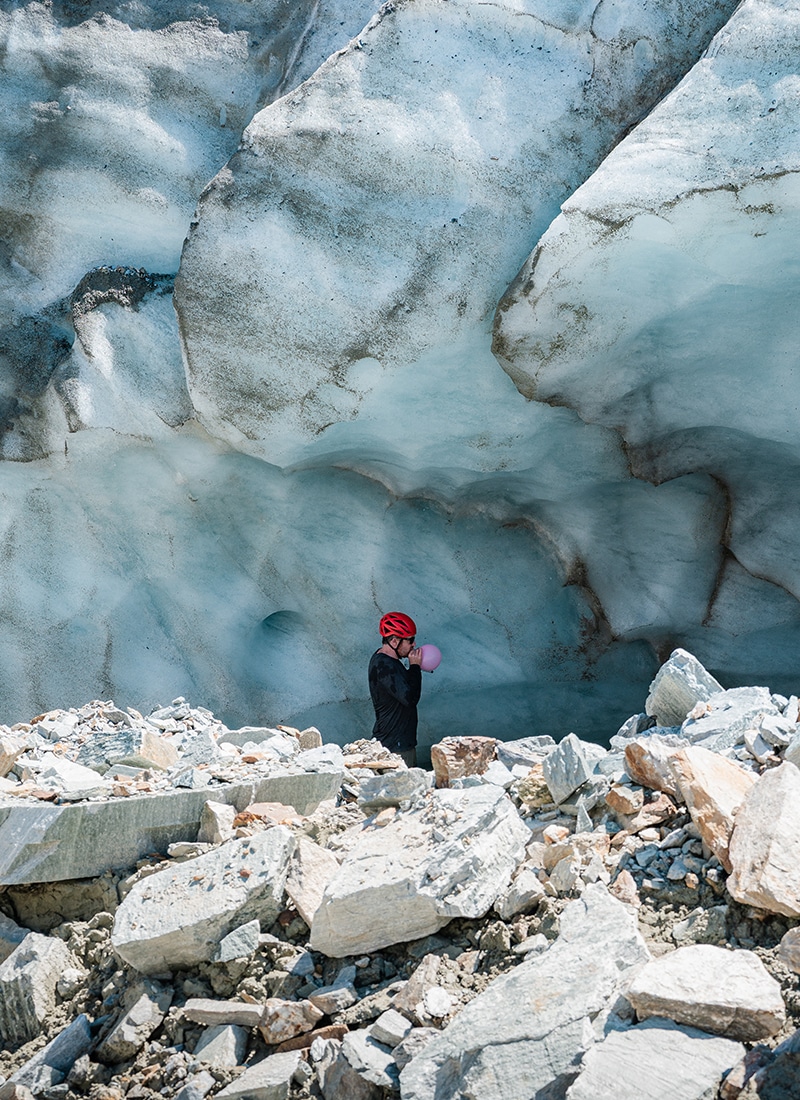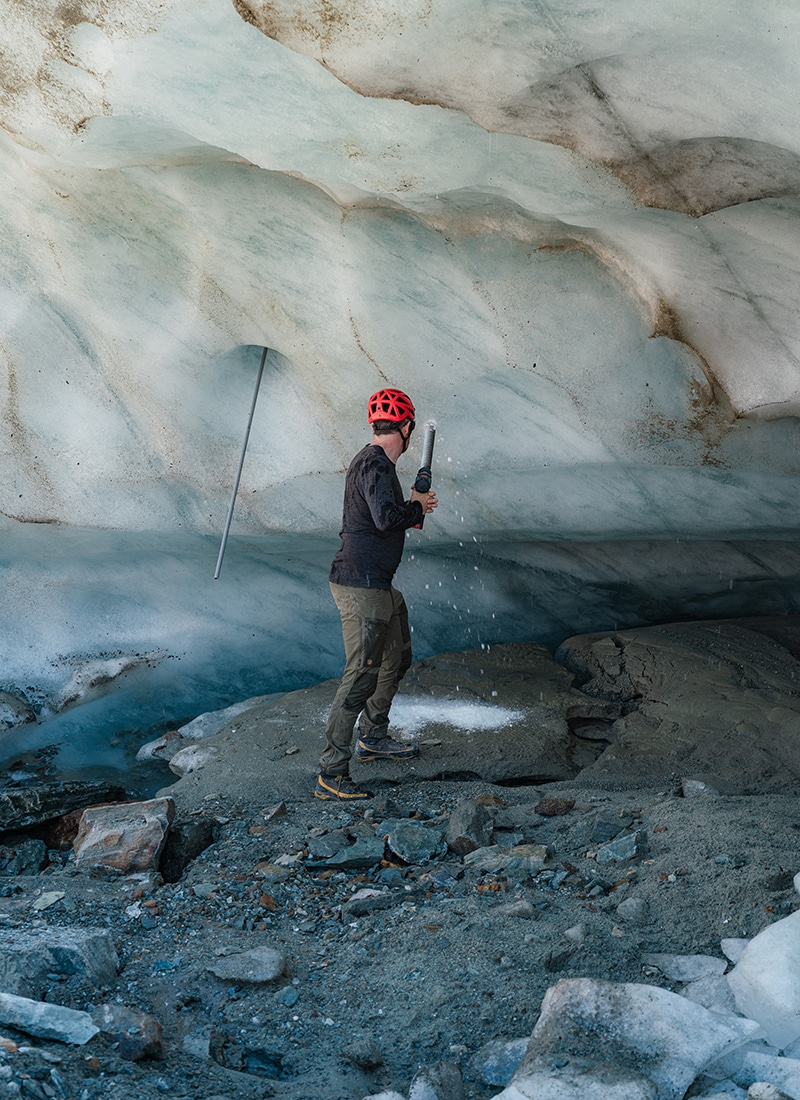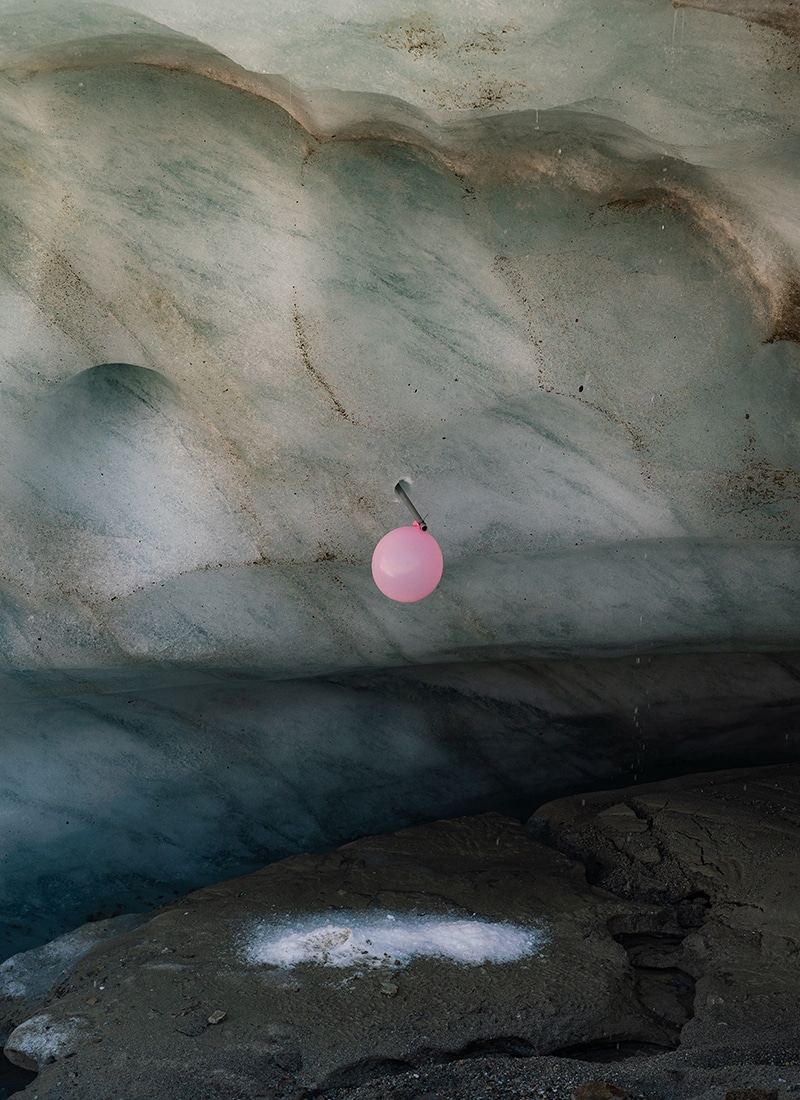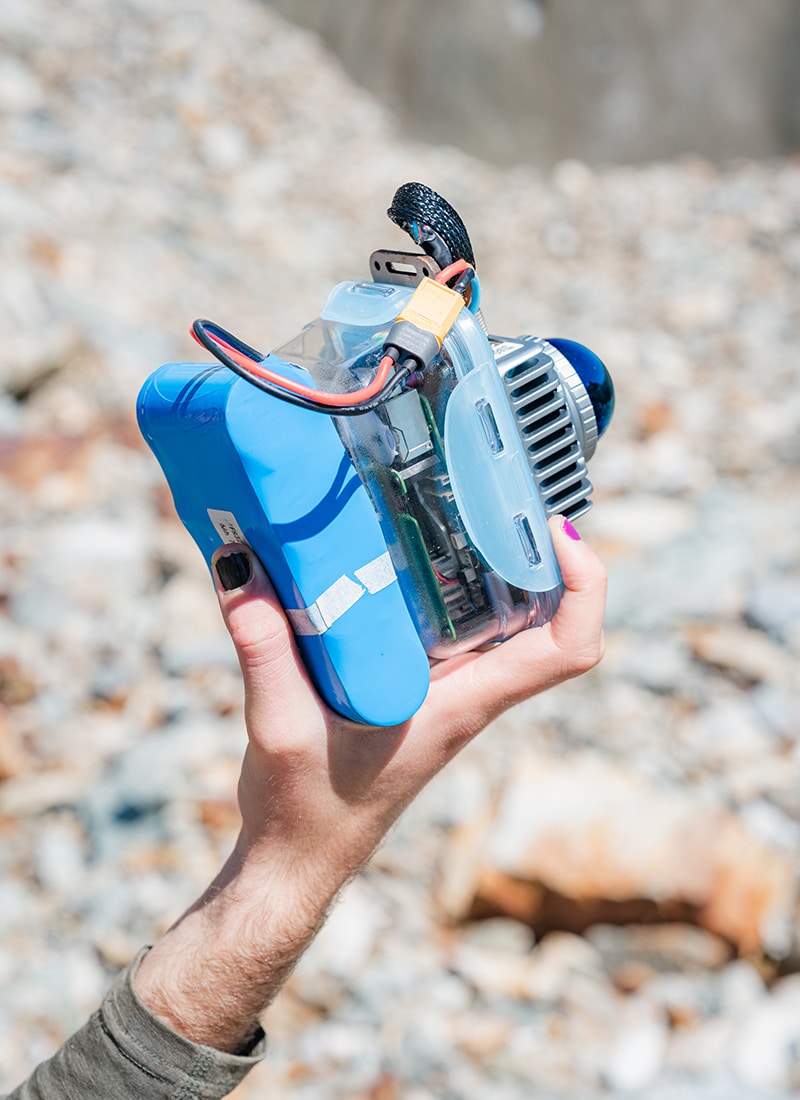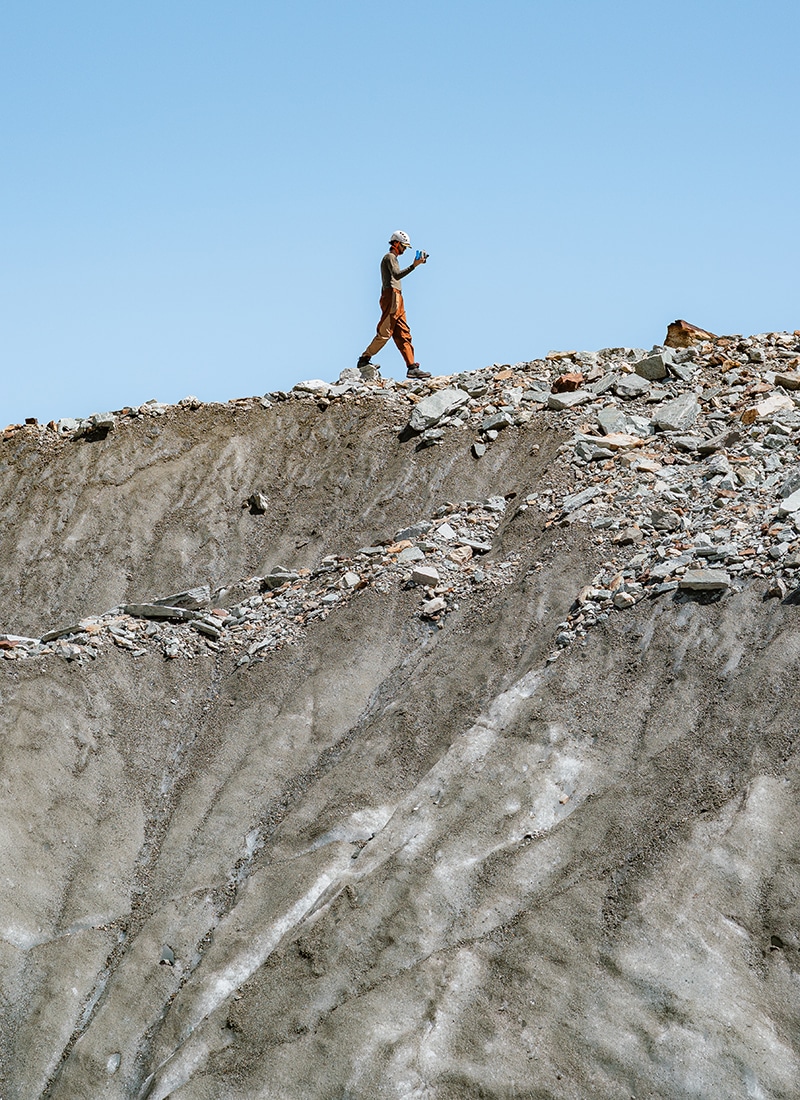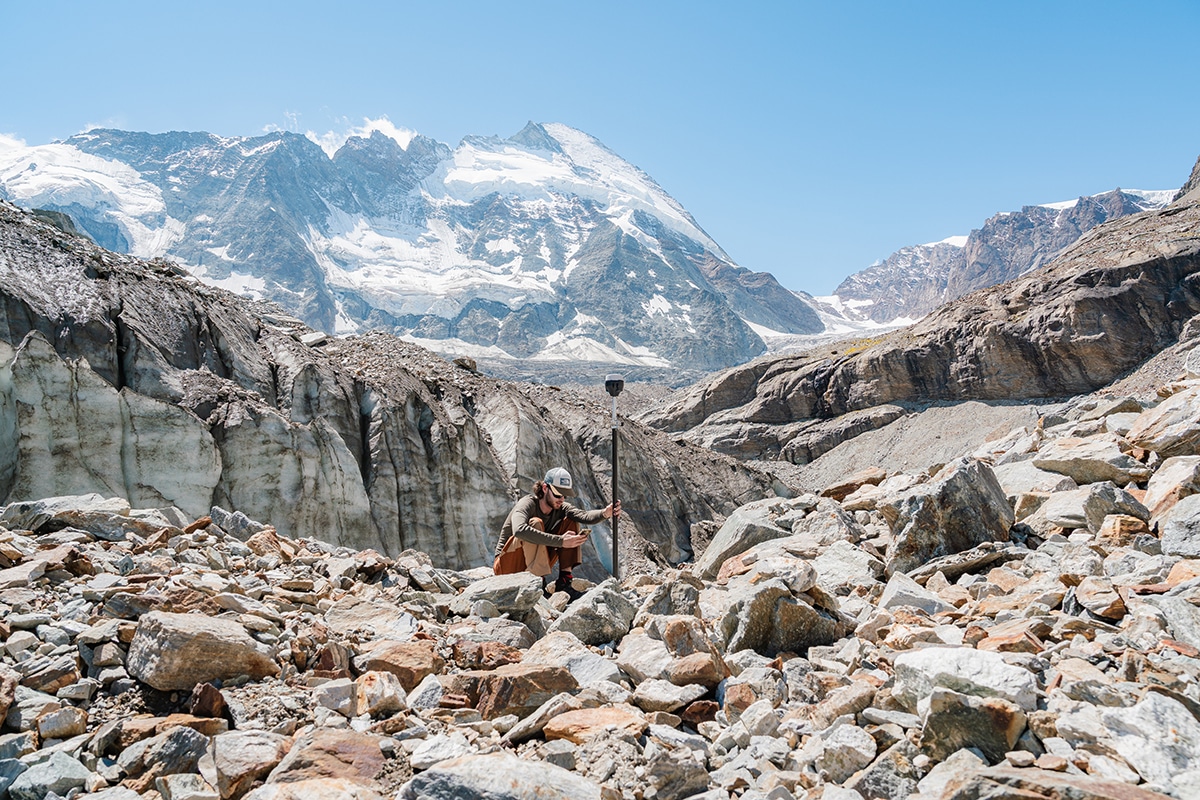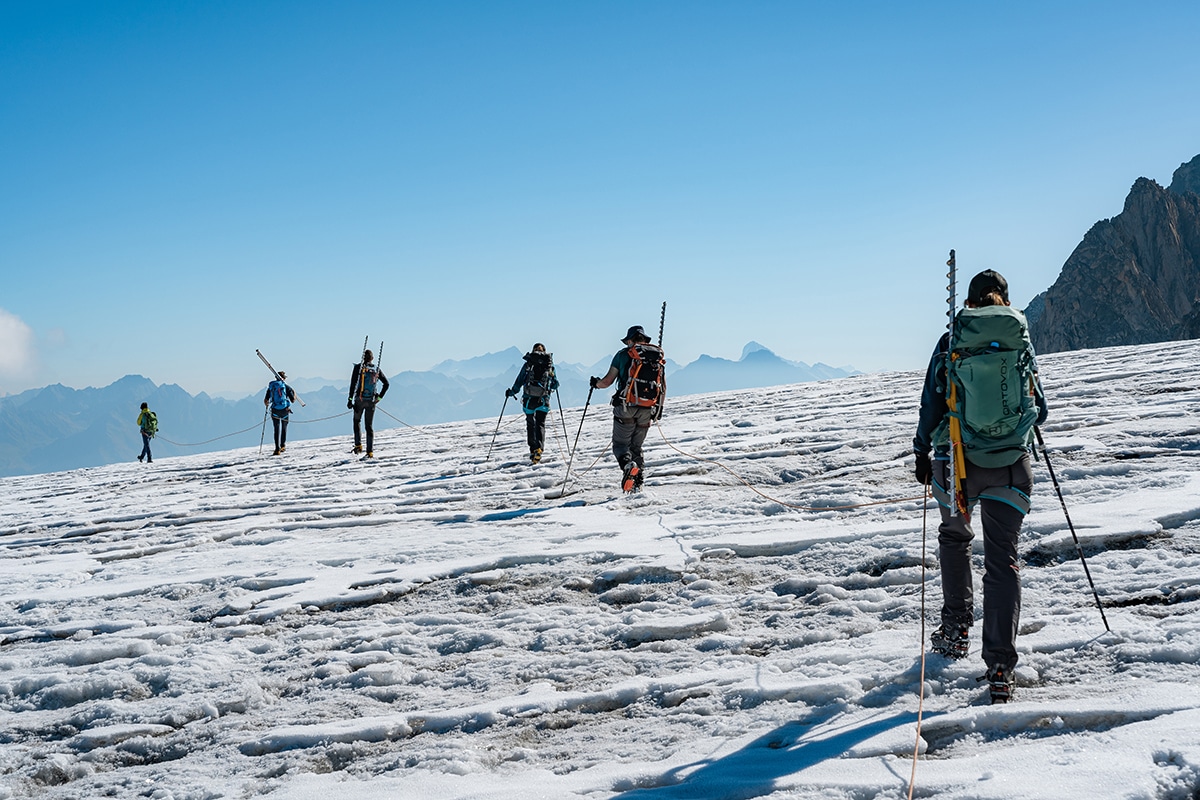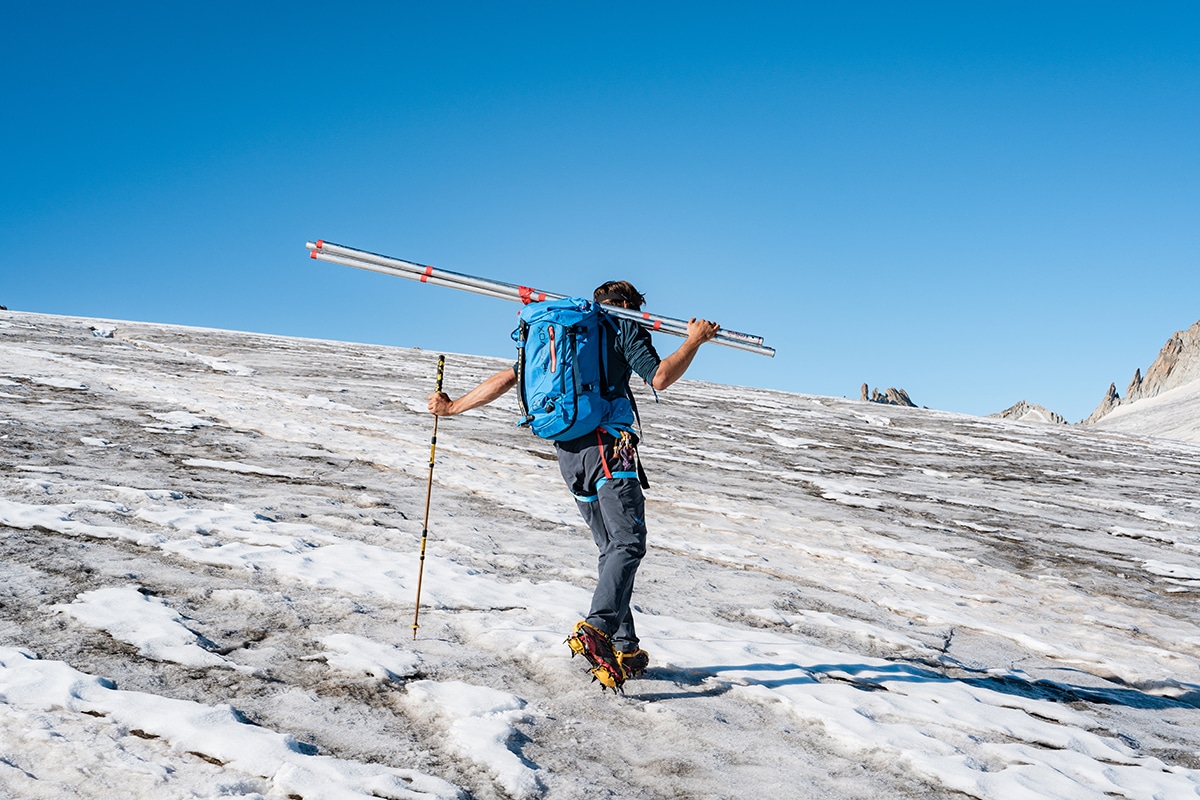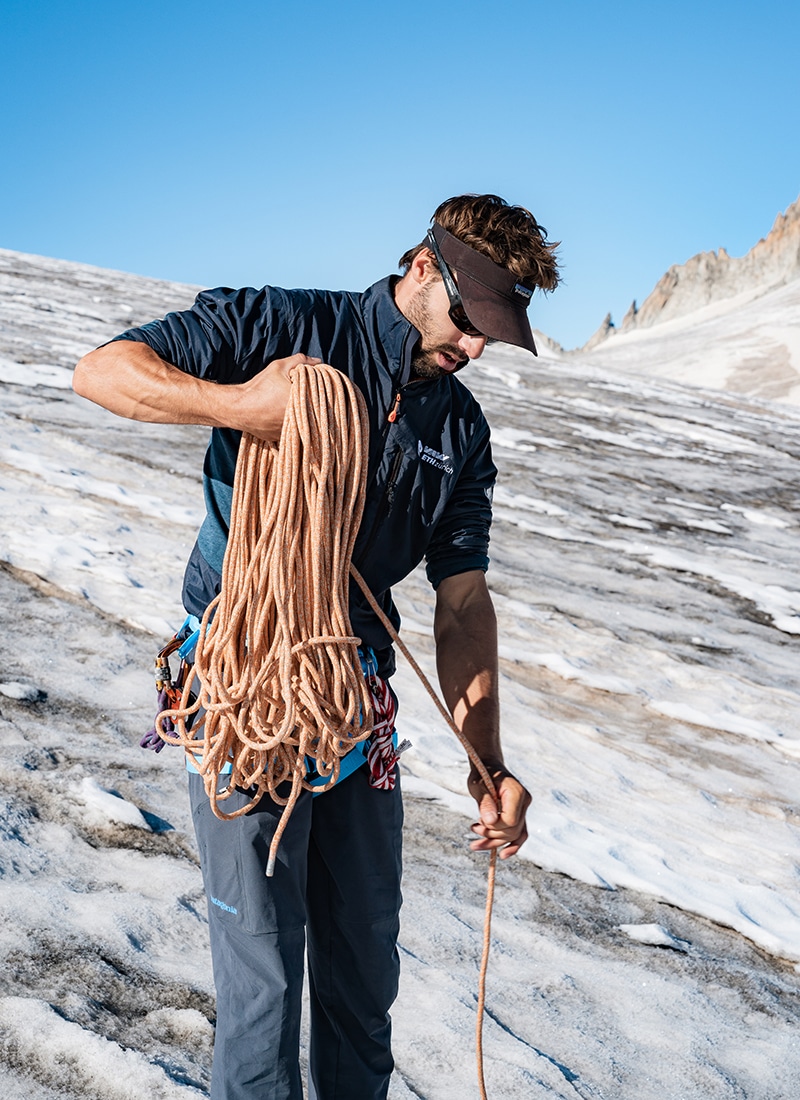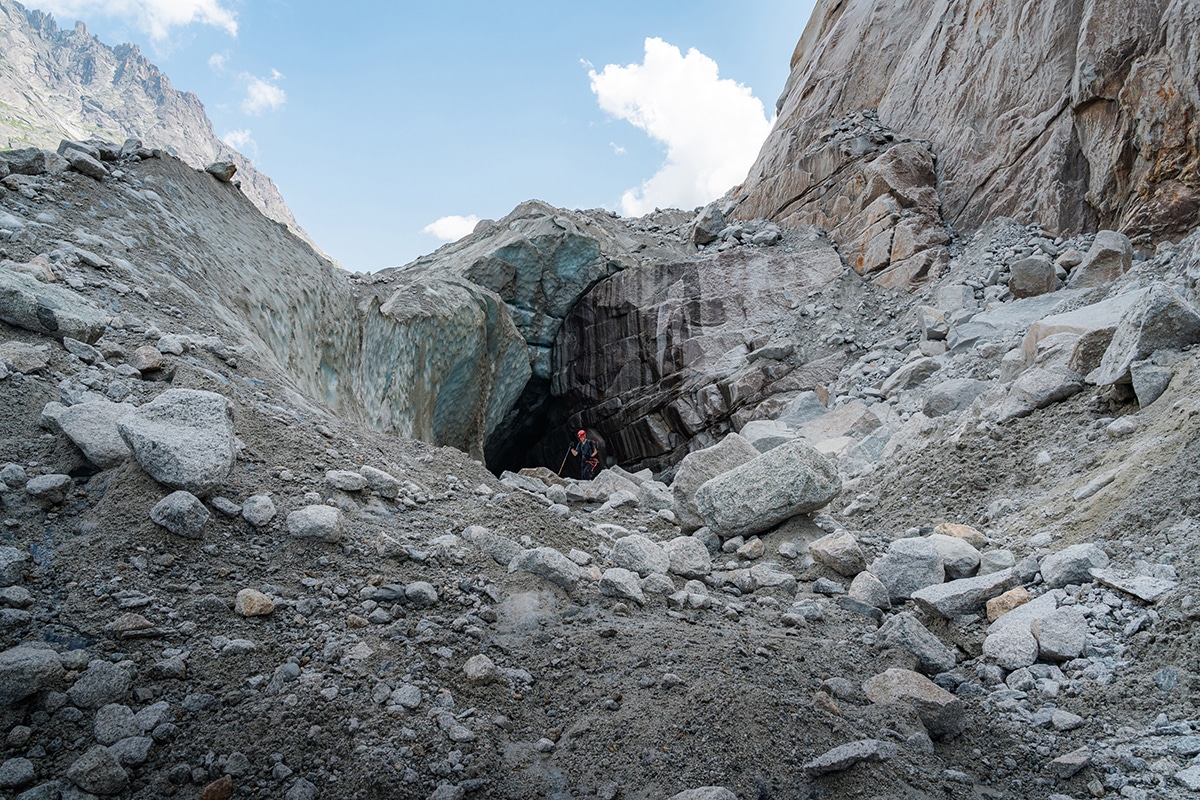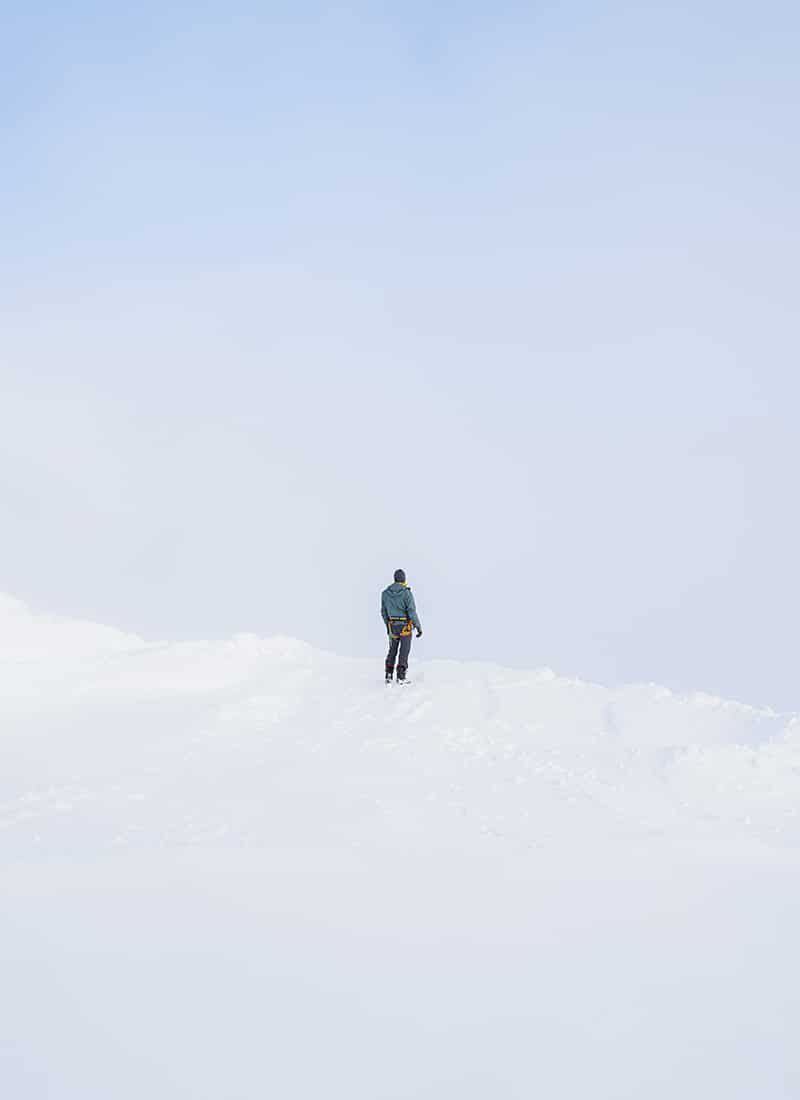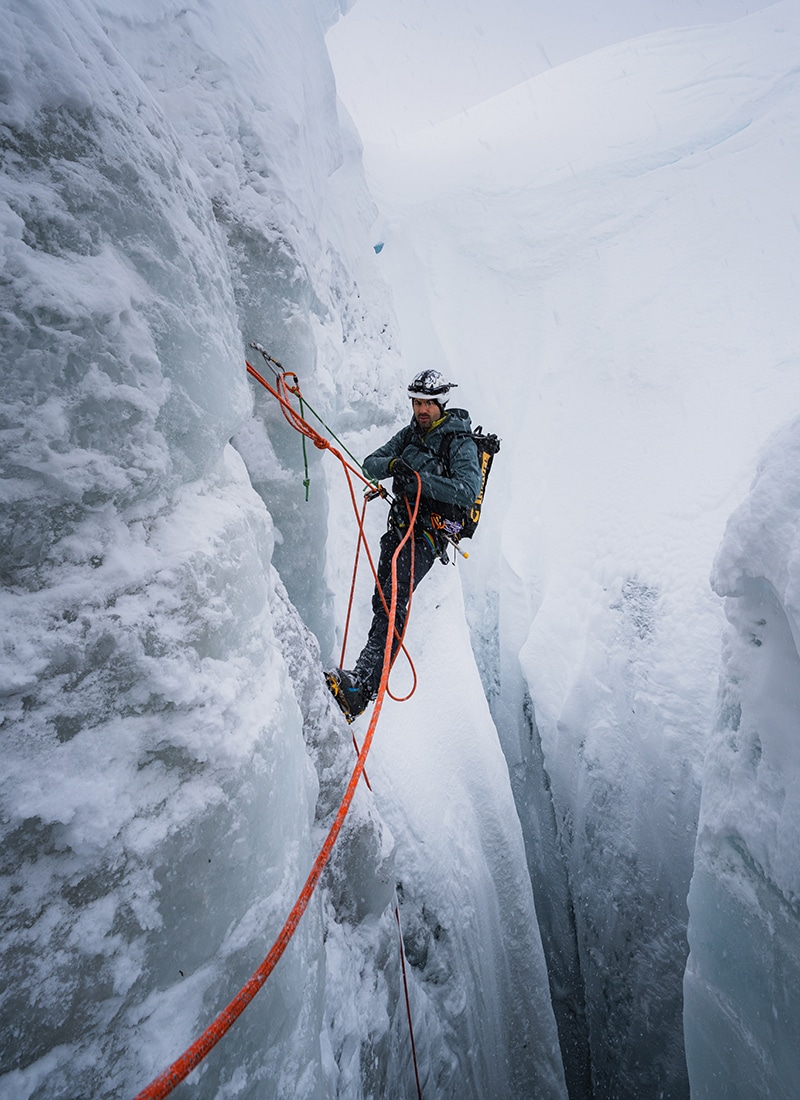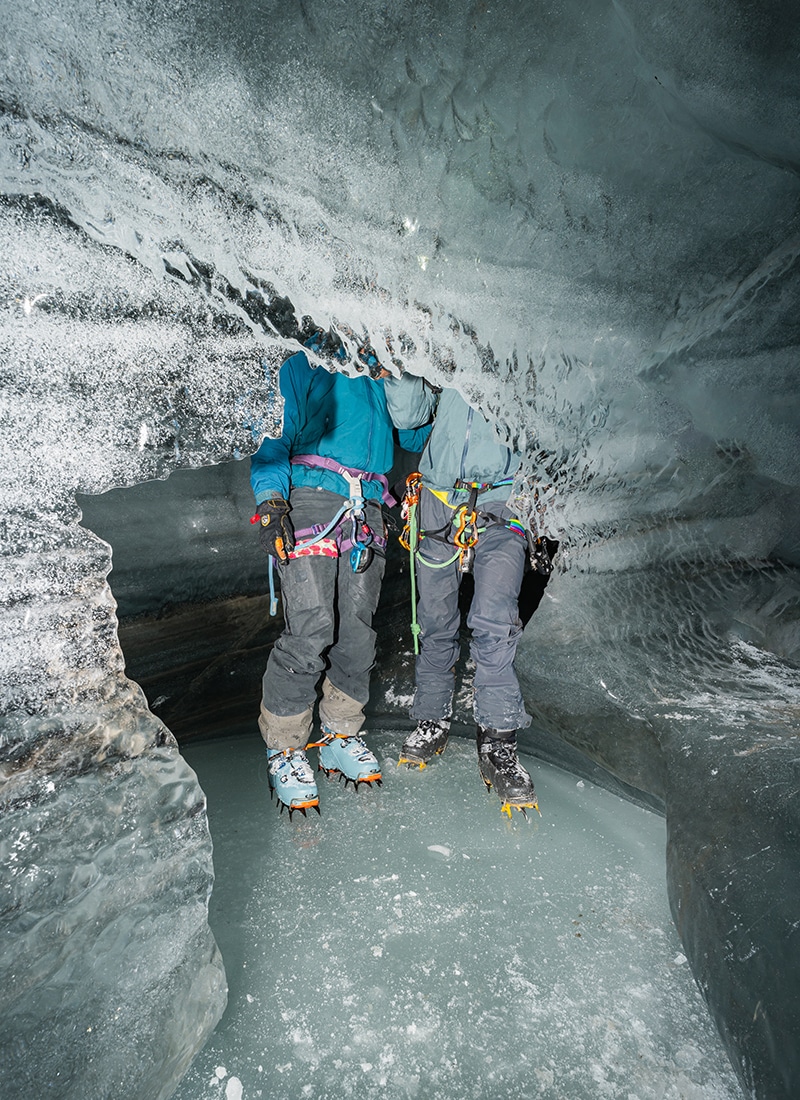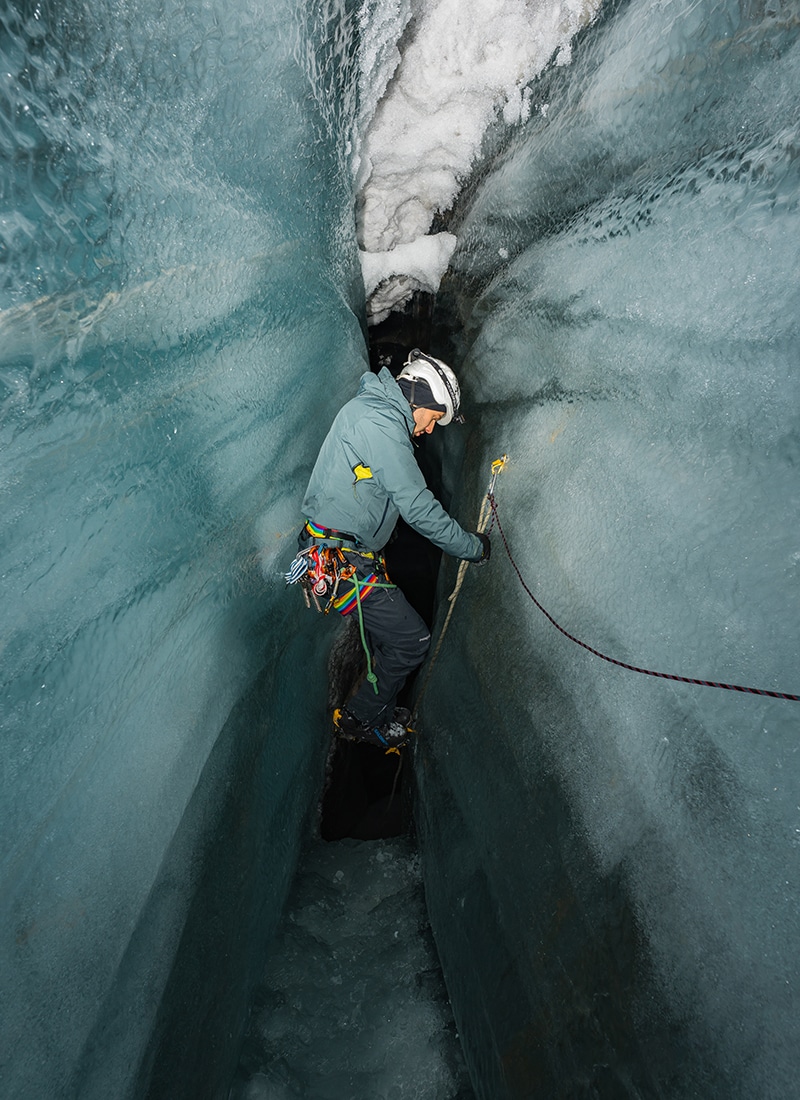
In the field, glaciologists assess the health of glaciers by combining direct observations with cutting-edge technology. Mass balance, a key indicator, compares winter snow accumulation with summer melt using markers drilled into the ice. Cameras track the movement of the glacier fronts, whilst lidar and GPS surveys scan the glacier in 3D to quantify its changes. This data, collected year after year, helps us understand glacial dynamics and anticipate their future in the face of climate change. While the terrain sparks the imagination, it represents only a fraction of the work: the bulk of the work then takes place in the laboratory and the office, analysing data, graphs and measurement series to understand and anticipate the future of the glaciers.
- For those who remain
- A Neuve Glacier (VS)
- Aletsch Glacier (VS)
- Alpligletscher & Gelmergletscher (BE)
- Argentière Glacier (FRA)
- Arolla Glacier (VS)
- Blüemlisalp Glacier (BE)
- Chilchli and Tungel Glaciers (BE)
- Chüeboden Glacier (VS/TI)
- Claridenfirn (GL)
- Corbassière Glacier (VS)
- Fiesch Glacier (VS)
- Forno Glacier (GR)
- Gorner Glacier (VS)
- Griessseeli (UR) en
- Jungfraufirn (VS) en
- Mer de Glace (FRA) en
- Moiry Glacier (VS)
- Morteratsch Glacier (GR)
- Noir Glacier (VS)
- Oberaar Glacier (BE)
- Orny Glacier (VS)
- Otemma Glacier (VS)
- Pers Glacier (GR)
- Plaine Morte Glacier (BE)
- Rhône Glacier (VS)
- Ried Glacier (VS)
- Saleinaz Glacier (VS)
- Stein Glacier (BE)
- Titlis (OW/NW/BE)
- Trient Glacier (VS)
- Trift Glacier (BE)
- Tsanfleuron Glacier (VD/VS)
- Glacier archives
- Subglacial exploration
- Human Footprints
- Alpine guardians
- In the footsteps of glaciologists
- Abstract textures
- Under pressure
- Ice mirrors
- The Ring Road
- Misguided ghosts